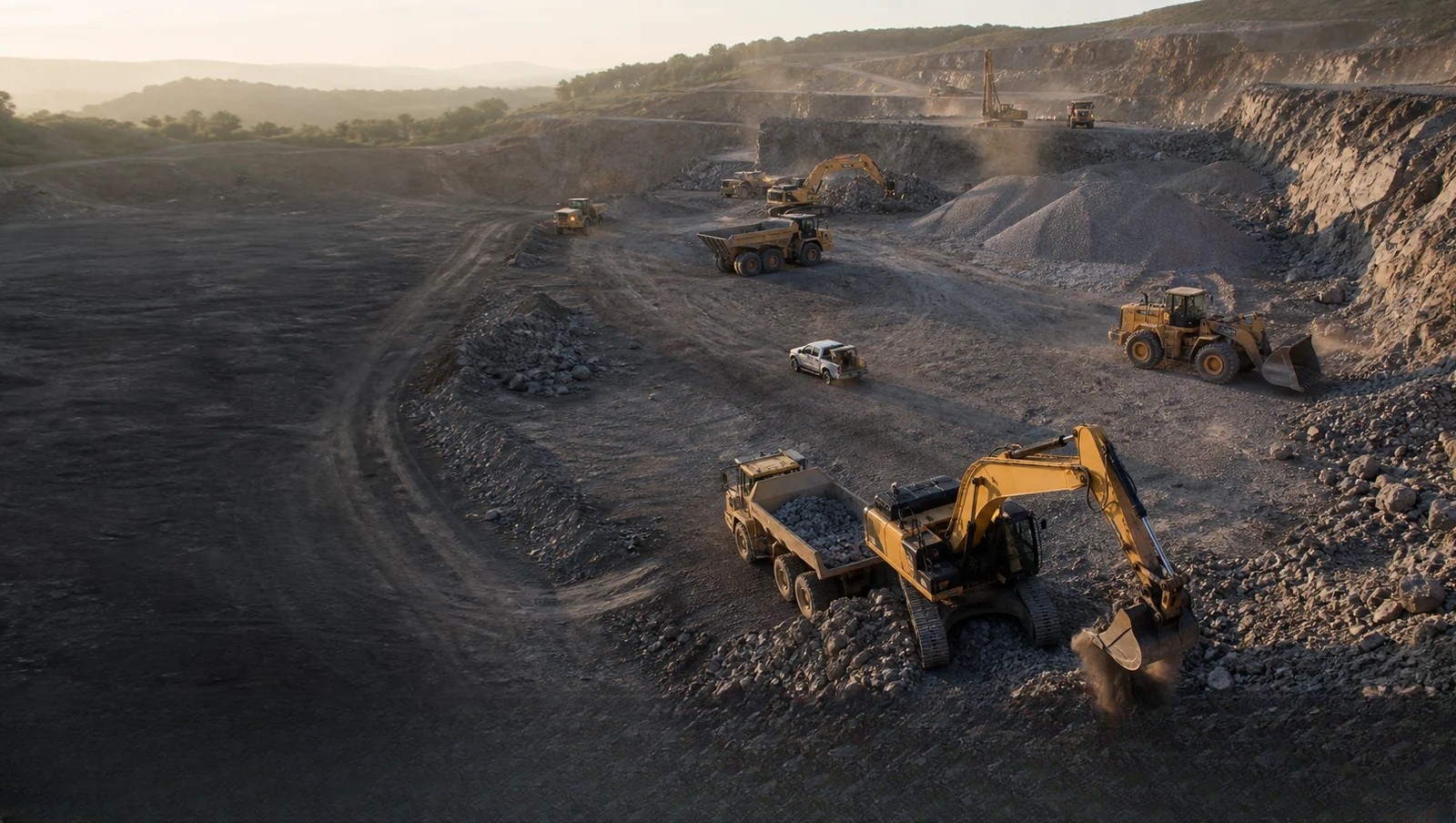
Agriculture, construction & mining
See where each machine is, how long it worked and what needs attention
Explore fleet and industrial telematics around the real operating environment. Know where machines are, how long they worked and when service or unusual movement needs attention.
Tell us what is difficult todayProblems your team will recognise
What keeps costing time, money or peace of mind?
Start with the calls, delays, missing information and disagreements that happen during a normal working day.
Manual records make it difficult to review where work occurred and whether the implement was active.
Different tractor and implement systems make machine activity and field work difficult to compare.
Portable pumps, power units and support equipment may move between fields faster than office records are updated.
GNSS and normal cellular trackers cannot provide reliable underground positioning or meet every hazardous-area requirement.
Machines and timber vehicles work far from depots and may pass through long coverage gaps.
What changes
See what your team can manage more easily.
Each answer connects one familiar problem to information your team can understand and act on.
Connect machine hours to rental records
What becomes easierRental teams gain better evidence for billing review, service planning and after-hours movement investigation.
How it works: On compatible machines, CAN/J1939 or selected activity inputs can combine engine hours with location and movement alerts.
Record deep-tillage work with position and implement data
What becomes easierThe farm gains a more defensible work record when sensors, correction service and platform calculations are configured together.
How it works: A300 can transmit compatible deep-loosening sensor data and optional RTK position to a platform that calculates tracks and work area.
Bring selected farm-machine data into one operating view
What becomes easierFarm managers can compare more of the available machine and implement information in one place without assuming every brand exposes the same data.
How it works: A suitable gateway can collect the machine information made available by compatible equipment; direct ISOBUS interpretation needs a separately matched interface.
Keep field pumps and support equipment visible
What becomes easierOperations teams gain a clearer record of where field equipment is working and when it needs service or recovery.
How it works: Powered or battery tracking can provide location, movement and selected run information after power, mounting and coverage are checked.
Why it matters
Why machine data matters on dispersed job sites
Heavy equipment is expensive, often unattended and maintained according to use rather than road mileage. When machines are spread across sites, a connected operating record can help teams find equipment, compare actual activity, investigate after-hours movement and plan service from more relevant information. For a mixed fleet planning view, see our heavy equipment GPS tracking guide before requesting a pilot.
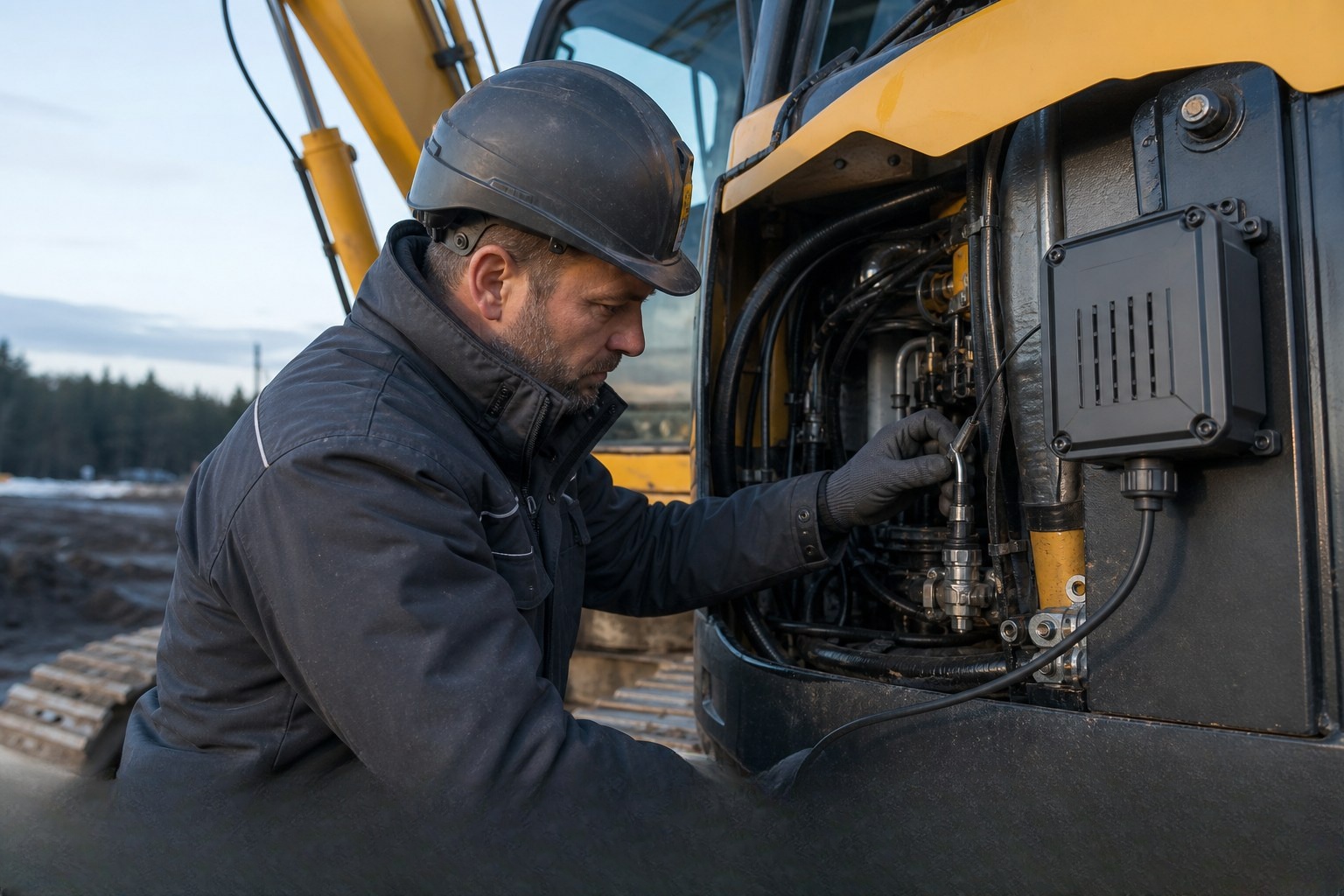
How the information reaches your team
From the device to the platform your team already uses.
Here is the simple explanation first. The technical connection is shown underneath for teams that need it.
See the working hours and machine information already available
On compatible excavators, tractors and commercial vehicles, collect the data the original machine makes available and show it on the customer's platform.
Technical support: CAN / J1939 machine-data connectionKnow when the machine starts, tips, rotates or opens
Turn supported ignition, door, implement, mixer or tipping signals into clear time-and-location events.
Technical support: ACC and configurable I/OUse hardware built for outdoor machines
Match waterproofing, voltage, antenna position and wiring to dust, rain, vibration and exposed installation.
Technical support: IP protection, wide voltage and external antennasRecord precise field work when ordinary location is not enough
For suitable projects, combine correction data and supported sensors to calculate tracks, work area or implement activity.
Technical support: Optional RTK and external sensorsWhat to measure in a trial
Look for changes your team can actually notice.
Measure fewer location calls, quicker answers, clearer records and better-timed action. We do not invent savings percentages before a real pilot.
Know which units are active, idle or waiting
Use validated hours and activity instead of estimates
Review machine use and movement at customer sites
Reduce time spent locating equipment and support assets
Investigate unexpected movement with time and location context
Working with your current operation
Keep the tools and processes that already work.
We match the device to your platform, vehicles, sensors and daily workflow instead of asking your team to start again.
Keep the platform your team already uses
We check whether the device can send the location, status and alarm information your existing system needs before recommending it.
Change settings without recalling every vehicle
Where supported, reporting intervals and selected settings can be adjusted remotely after installation.
Manage vehicles, machines and unpowered assets together
Different device types can be chosen for each asset while their useful information is brought into the platform your team already uses.
Add the information your operation is missing
Supported door, temperature, fuel, driver and machine-data inputs are matched to the events your team actually wants to see.
common operating situations
Find the situation that feels most like yours.
Each example begins with a problem your team may already be dealing with and shows what information could make it easier.
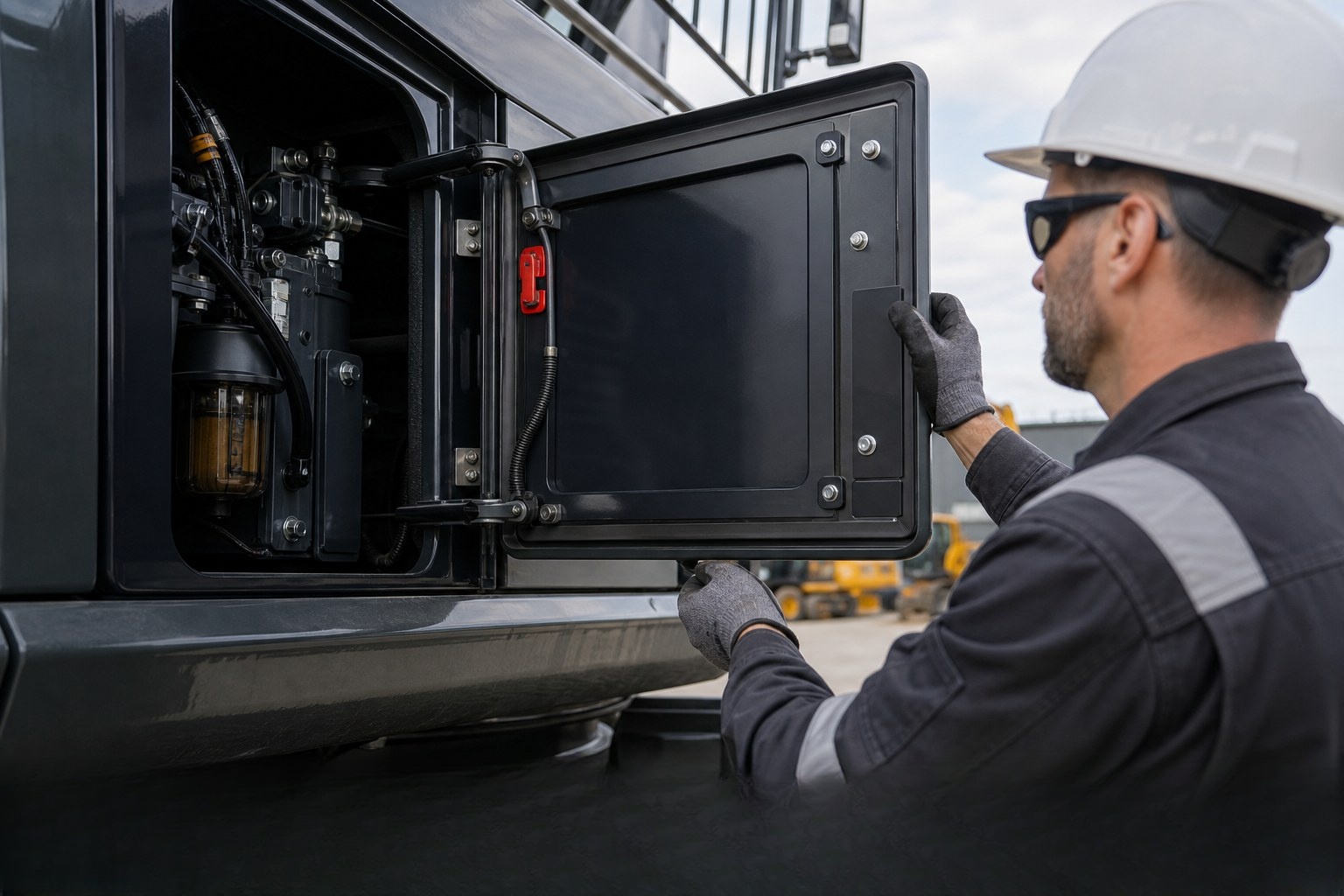
Agriculture, construction & mining
Connect machine hours to rental records
Location, reported work hours and maintenance records often disagree after machines spend weeks at customer sites.
What becomes easierRental teams gain better evidence for billing review, service planning and after-hours movement investigation.
See how it works 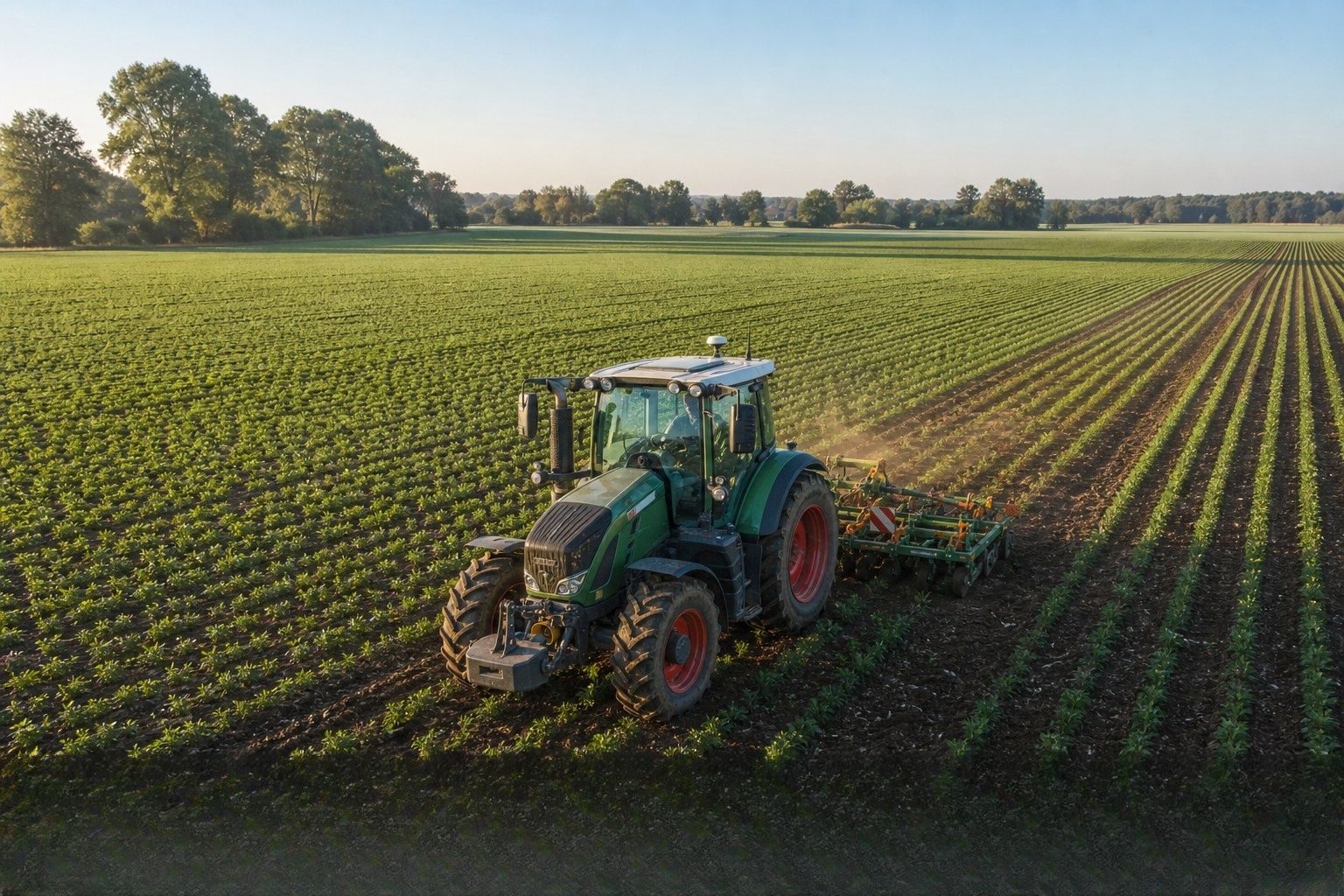
Agriculture, construction & mining
Record deep-tillage work with position and implement data
Manual records make it difficult to review where work occurred and whether the implement was active.
What becomes easierThe farm gains a more defensible work record when sensors, correction service and platform calculations are configured together.
See how it works 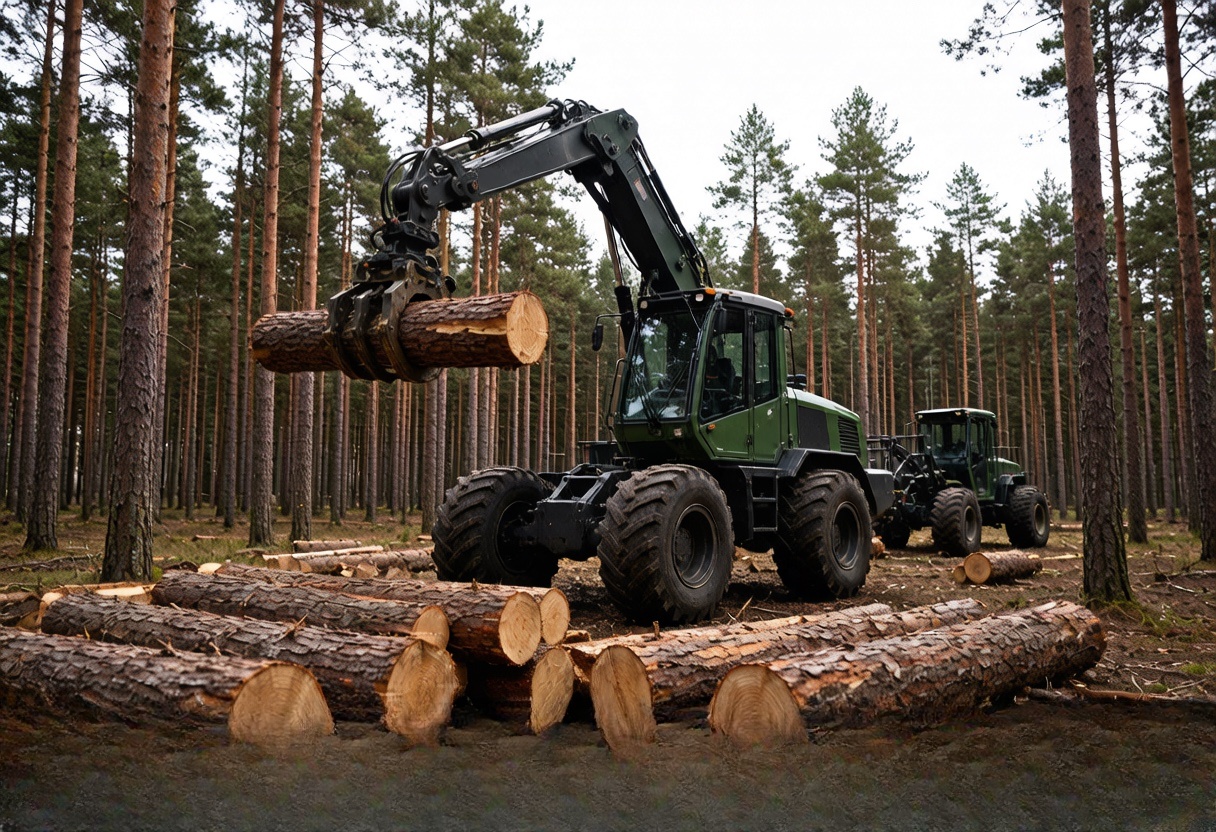
Agriculture, construction & mining
Keep forestry machines visible beyond normal coverage
Machines and timber vehicles work far from depots and may pass through long coverage gaps.
What becomes easierOperations teams gain a more complete movement and activity history for remote work.
See how it works Hardware that may fit
Start with documented options for this working environment.
3 documented options to compare
Priority solution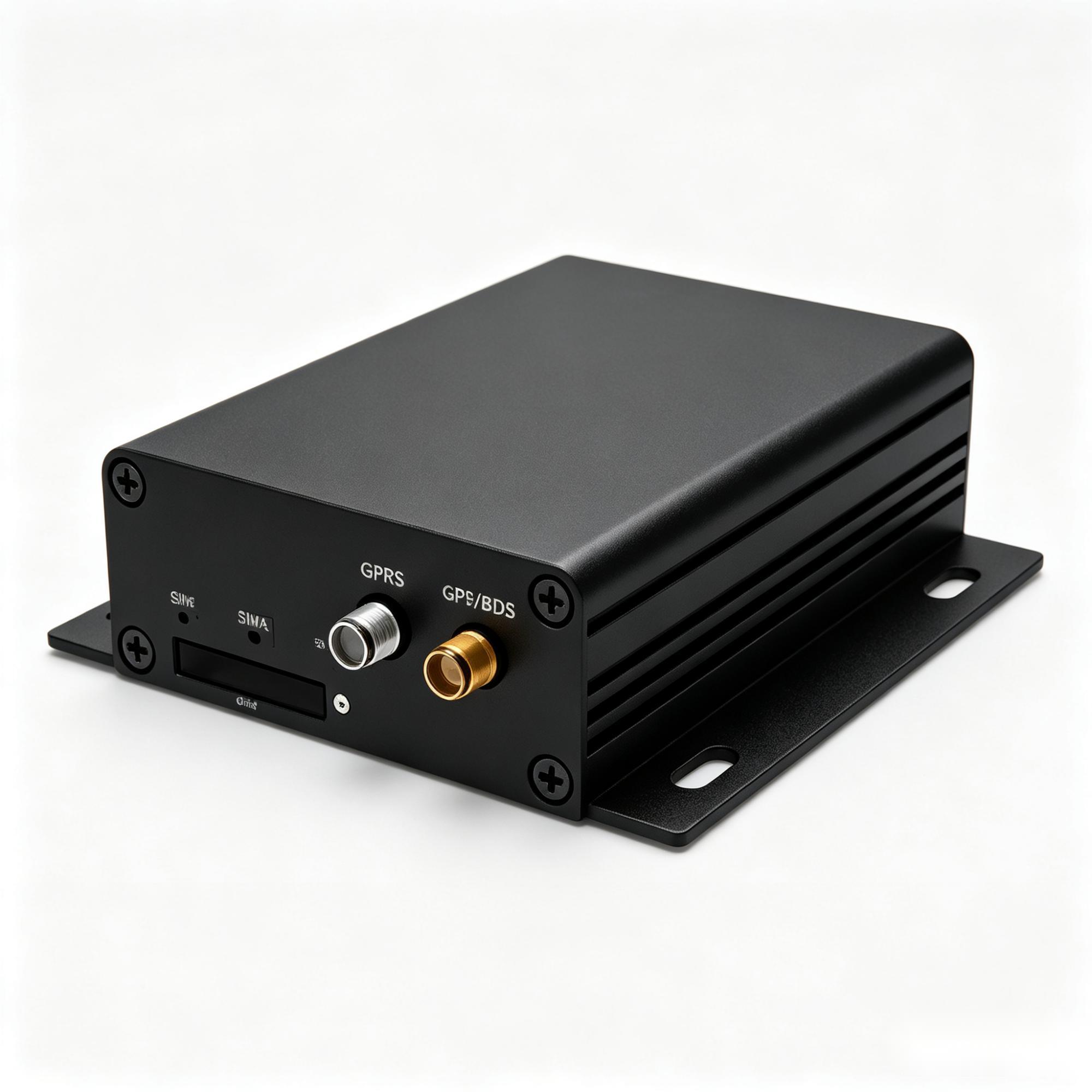
A300
See where each machine is, how long it worked and what needs attention
For excavators, tractors, trucks and specialist equipment where location alone is not enough. It can bring available machine data, work states and matched sensors into the customer's platform.
Heavy equipmentMachine dataSensor projects
See where it fits 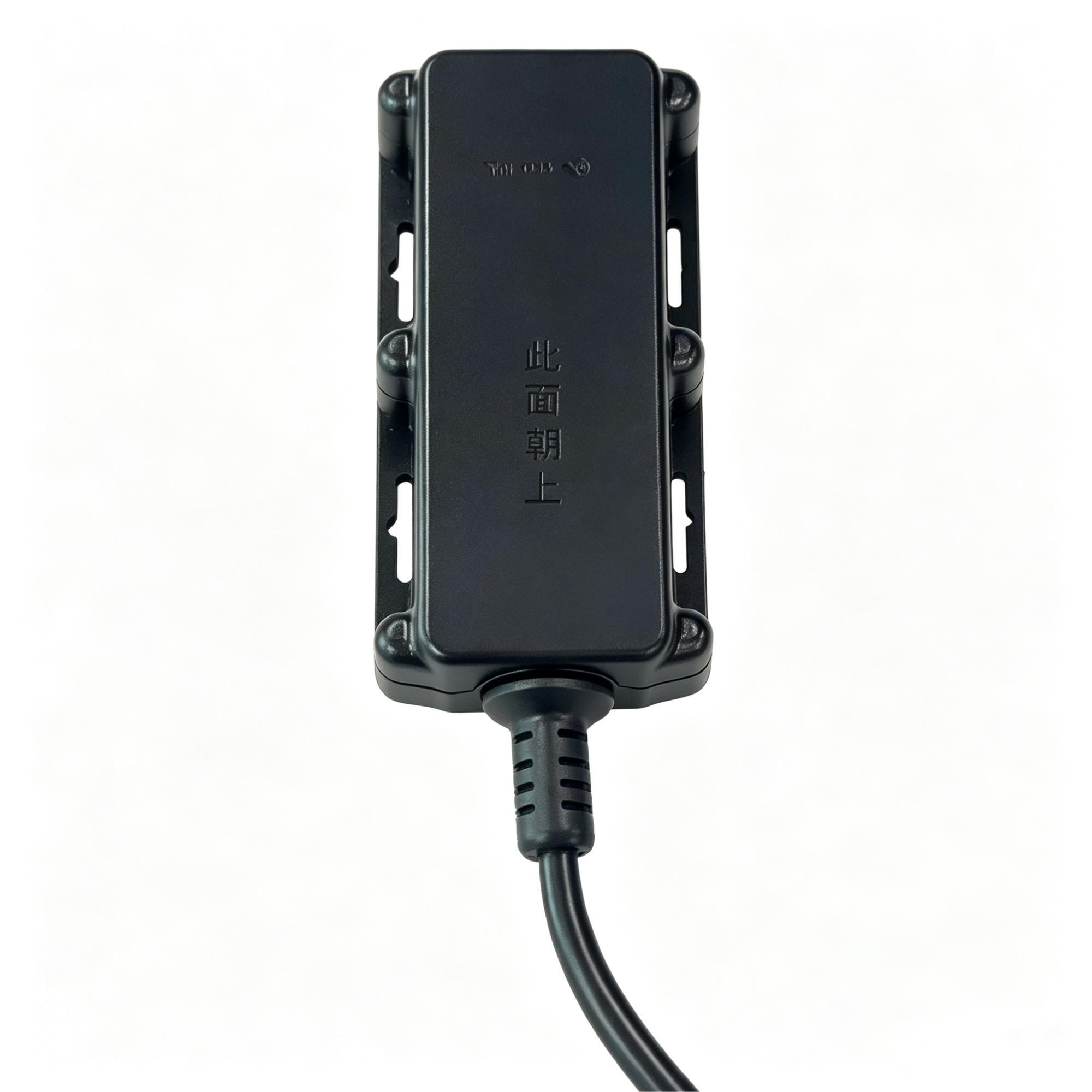
A700
Keep powered outdoor equipment visible without paying for machine-data functions
A protected, wide-voltage tracker for exposed vehicles and equipment that need location, movement and power events, but do not need CAN engine data.
Outdoor equipmentIP67Powered assets
See where it fits 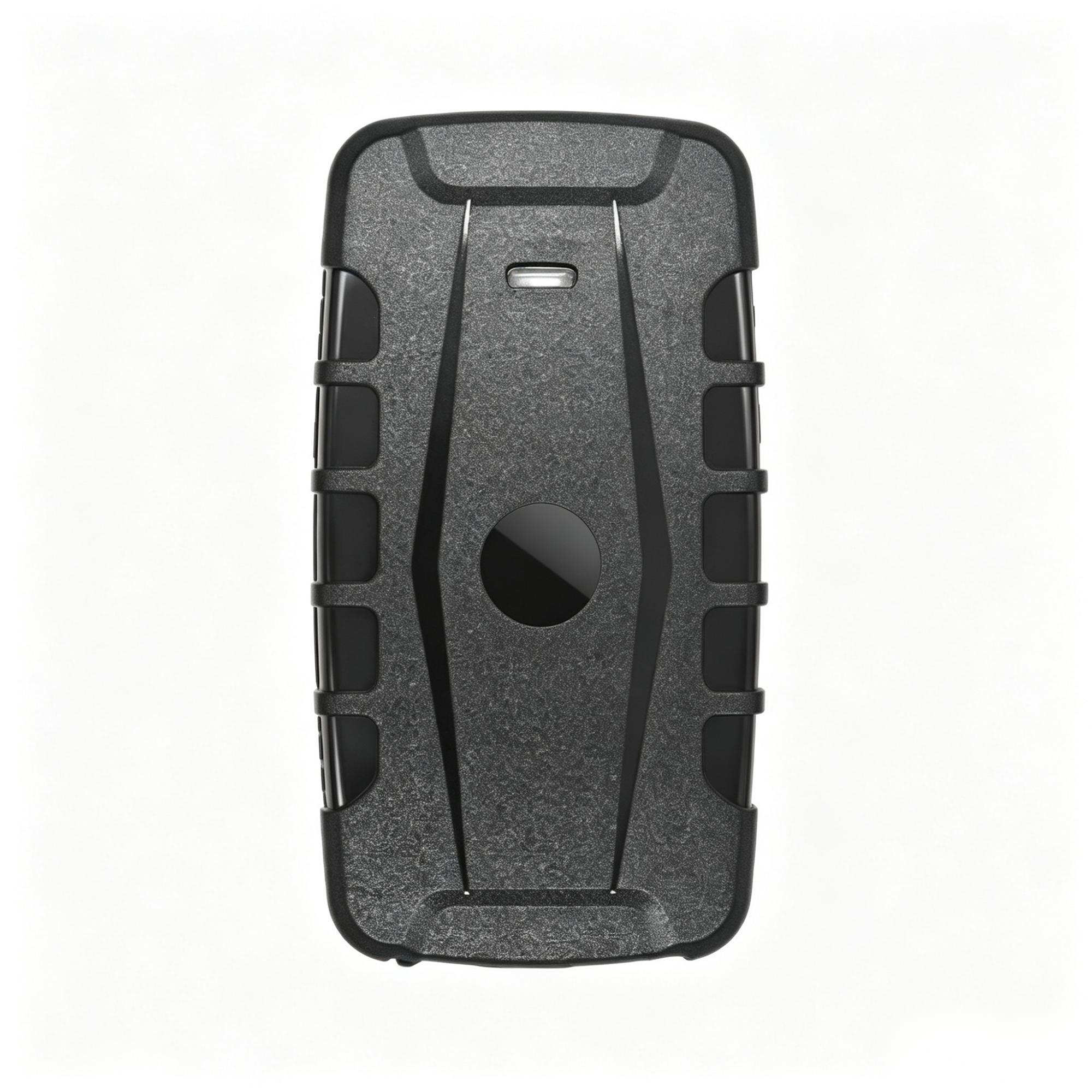
GT76
Find trailers and equipment that have no fixed power connection
A magnetic rechargeable tracker for containers, trailers and temporary equipment that may sit unattended and still need periodic location and movement records.
No fixed powerMagnetic mountingLong dwell time
See where it fits These are candidate models, not an automatic final selection. Network bands, interfaces, approvals, installation and platform fit are confirmed for the exact project.
What needs special attention
Every industry has a different working reality.
Weather, power, machine data, coverage and response responsibilities change what a useful solution looks like. Use the four checks below to shape the brief and pilot.
Define the hour source
Separate machine source or controller hours, ignition-derived powered-on time and manual reading. None is productive hours without an agreed definition; gateway fit depends on accessible fields.
Match power and installation
Choose the terminal, gateway or manual path around mixed brands, power, harness, environment and existing portal licences. Add sensors only when the required fields and response are clear.
Assign route and costs
Customer confirms or authorizes permitted access; platform team agrees mapping and portal/API/licence/storage; installer agrees wiring; procurement agrees hardware, SIM/data and support.
Compare source and receipt
Use representative equipment to compare machine readings with the received record and agree gaps. The customer and platform team sign off the sample before rollout.
Questions customers usually ask
Clear answers before you spend time on a pilot.
Can the device read every excavator or tractor?
No. Available CAN/J1939 parameters and connectors vary by manufacturer and model.
Does RTK work from the tracker alone?
No. It requires suitable antennas, correction service, environment and platform calculations.
Can engine hours support rental billing?
They can support review after the source and accuracy are validated; contract rules remain with the rental company.
What should be tested first?
Power, mounting, antennas, available machine data, event logic and platform output should be checked on representative equipment.
Build a clearer Heavy equipment operation.
Build an equipment briefMore working environments
Explore other industries
Project boundary
Measure hours; do not infer them silently.
For tractors, harvesters and implements, see GPS tracking for agricultural machinery.
Machine-source or controller hours, ignition-derived powered time and manual estimates are different measurements. We help define which record the project needs, match a possible gateway or tracker and compare source readings with the received data. CAN/J1939 fields, video events, fuel and compatibility remain model-, machine- and test-specific.