GPS Tracking for Logistics Companies
Tracking one fleet is a hardware question. Tracking a logistics operation is an organisational one — several depots, vehicles you do not own, and customers who expect to see where their freight is.
Discuss a logistics rolloutStart with the decision
Key decisions for this application
Operating model
Treat depots, subcontractors and customer visibility as hardware constraints from the start.
Ownership and fitment
Decide what can be permanently installed, reassigned or tracked as freight when vehicles are not yours.
Network and visibility
Set a customer-facing interval from what the route and data plan can sustain, including coverage gaps.
Rollout control
Validate one vehicle class, add awkward cases deliberately and scale depot by depot.
Platform handoff
Connect to a TMS or customer view only after the underlying fields and configuration are reliable.
This guide covers logistics operations, depots, subcontractors and customer visibility. For vehicle-level hardware decisions, see the detailed truck tracking guide.
The hardware questions for a logistics company are the same as for any road fleet. What is different is that three organisational realities — multiple depots, subcontracted vehicles, and customer-facing visibility — each push the specification in a different direction.
For the vehicle-level decisions, start with GPS trackers for trucks. This page is about what changes when the operation, rather than the fleet, is the unit of deployment.
Three realities that change the specification
| Reality | What it forces |
|---|---|
| Multiple depots | A rollout that happens in waves rather than at once, which means firmware and configuration consistency across batches bought months apart. |
| Subcontracted vehicles | Hardware you cannot permanently install, on vehicles that leave the operation. Non-invasive or reassignable units, and a clear data agreement. |
| Customer-facing visibility | Data that leaves your platform. Update frequency and accuracy become a service commitment rather than an internal convenience. |
Staged rollouts across depots
A logistics rollout is rarely one order. It is a pilot, then a depot, then the rest — often across several months. Two things matter more than they would for a single-site fleet:
- Configuration consistency. Units bought in wave three should behave identically to wave one. Reporting profiles, firmware behaviour and field mapping need to be documented and repeatable, not recreated from memory.
- Availability over time. A model discontinued between waves leaves you running two hardware types. Worth asking about product lifecycle before the first order, not after.
This is one of the arguments for validating and freezing a specification early — the method is described in sample validation.

Vehicles you do not own
Subcontracted and hired-in vehicles are where most logistics tracking projects get uncomfortable, and the discomfort is contractual rather than technical.
- Installation. You usually cannot wire permanently into a vehicle you do not own. That points to non-invasive fittings or battery units that travel with the load rather than the vehicle.
- Reassignment. A unit that can be moved between vehicles is worth more than one that is optimally installed in a vehicle that leaves next month.
- Track the load instead. For some operations the honest answer is to track the trailer or the container rather than the tractor — see trailer tracking and container tracking.
- Data rights. Who owns the position data of a subcontractor's vehicle, and what happens to it when the contract ends, should be written down before hardware is fitted.
When customers can see the data
Customer visibility turns reporting frequency from a cost decision into a service commitment. Two consequences follow:
- Interval becomes contractual. If a customer portal shows a position, the update interval effectively becomes a promise. Model the data volume before agreeing to it — the data usage calculator does this from interval and fleet size.
- Gaps need explaining. Coverage gaps, tunnels and border crossings all produce silence. A device that logs while offline and uploads on reconnection turns a gap into a delay rather than a hole in the record.
Before promising a customer live visibility, check what the hardware can actually sustain across the whole route — including the parts of it with no coverage.
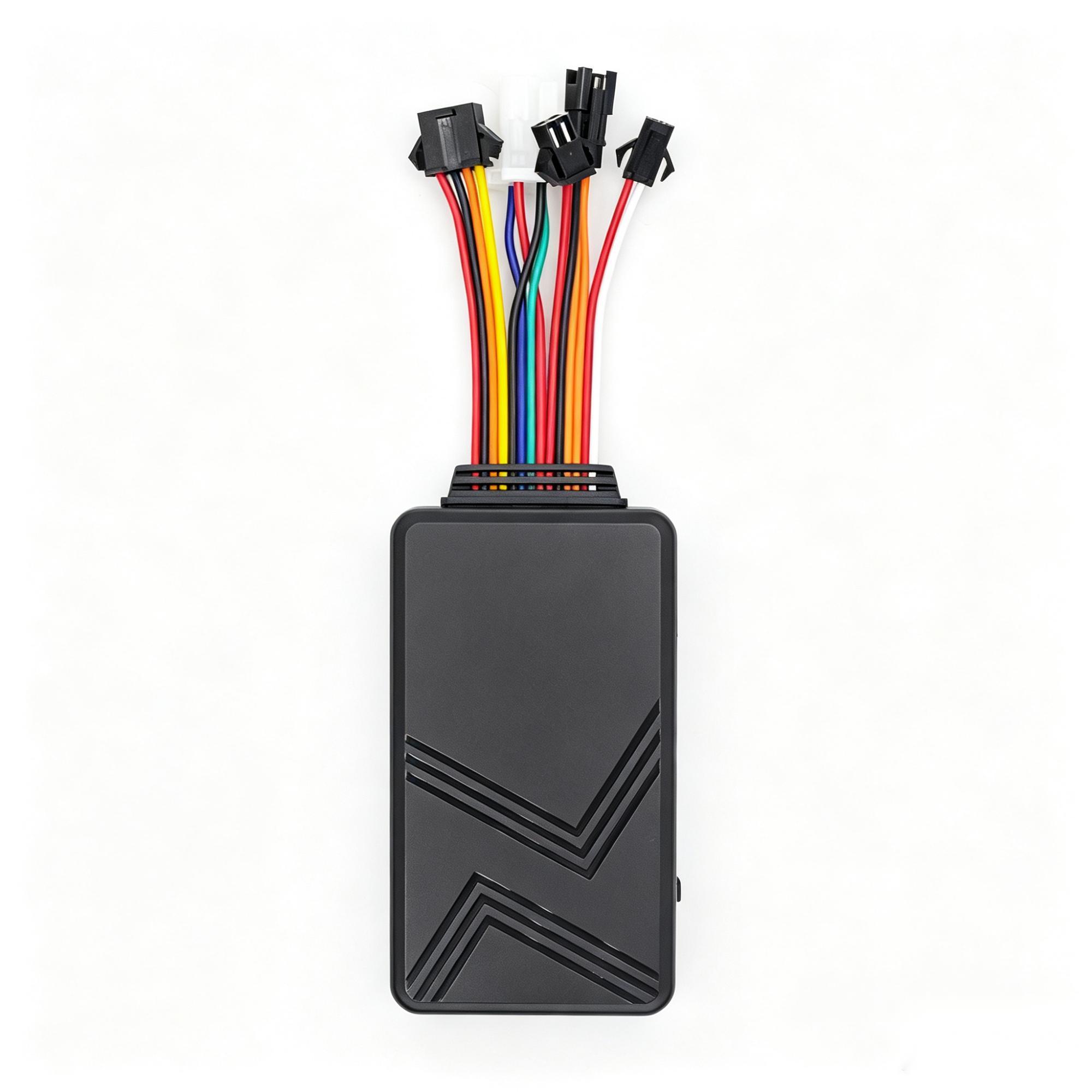
C003F
An expandable fleet terminal when fuel, temperature, camera or driver identification are needed.
Explore C003F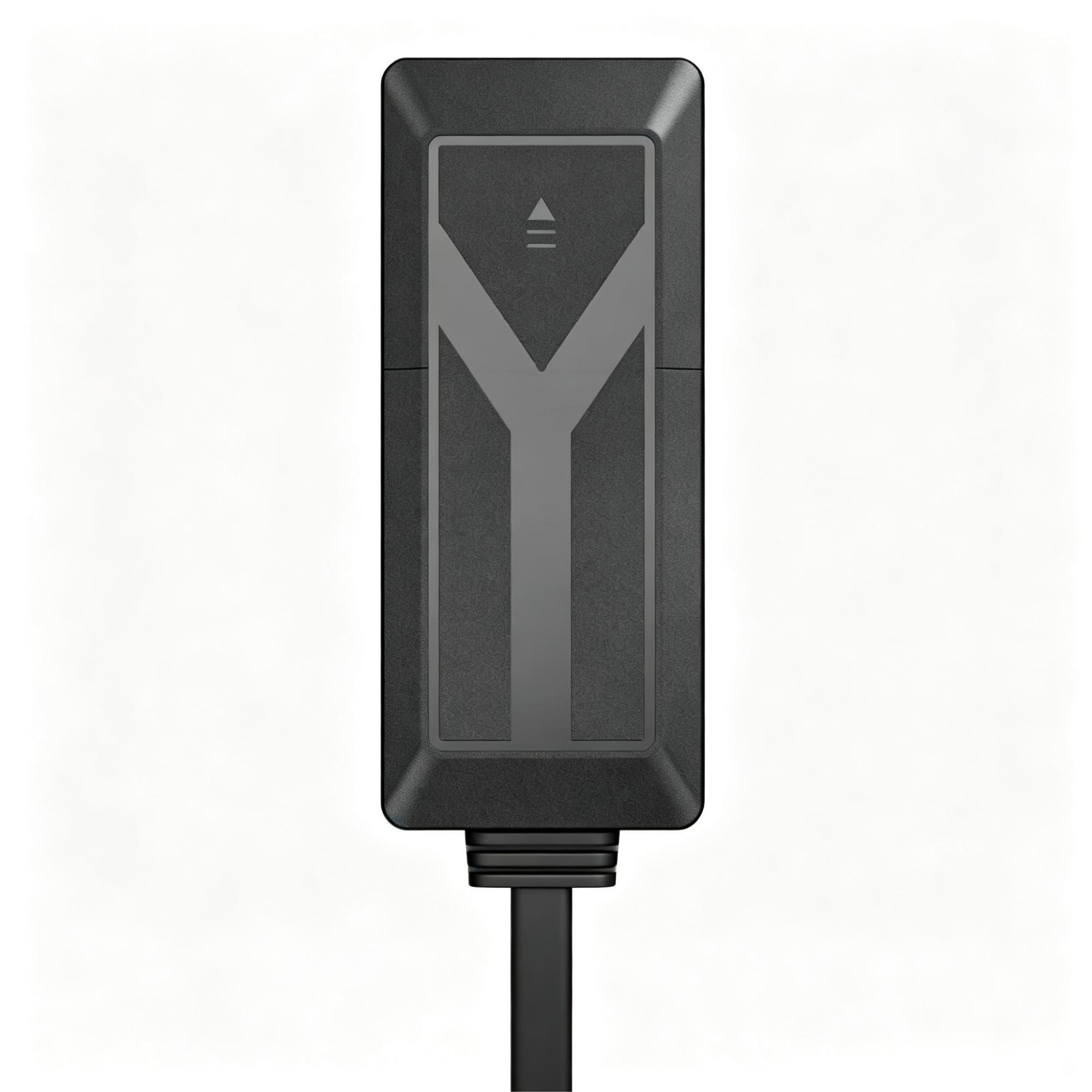
A7C
A general vehicle tracker for delivery and logistics fleets.
Explore A7C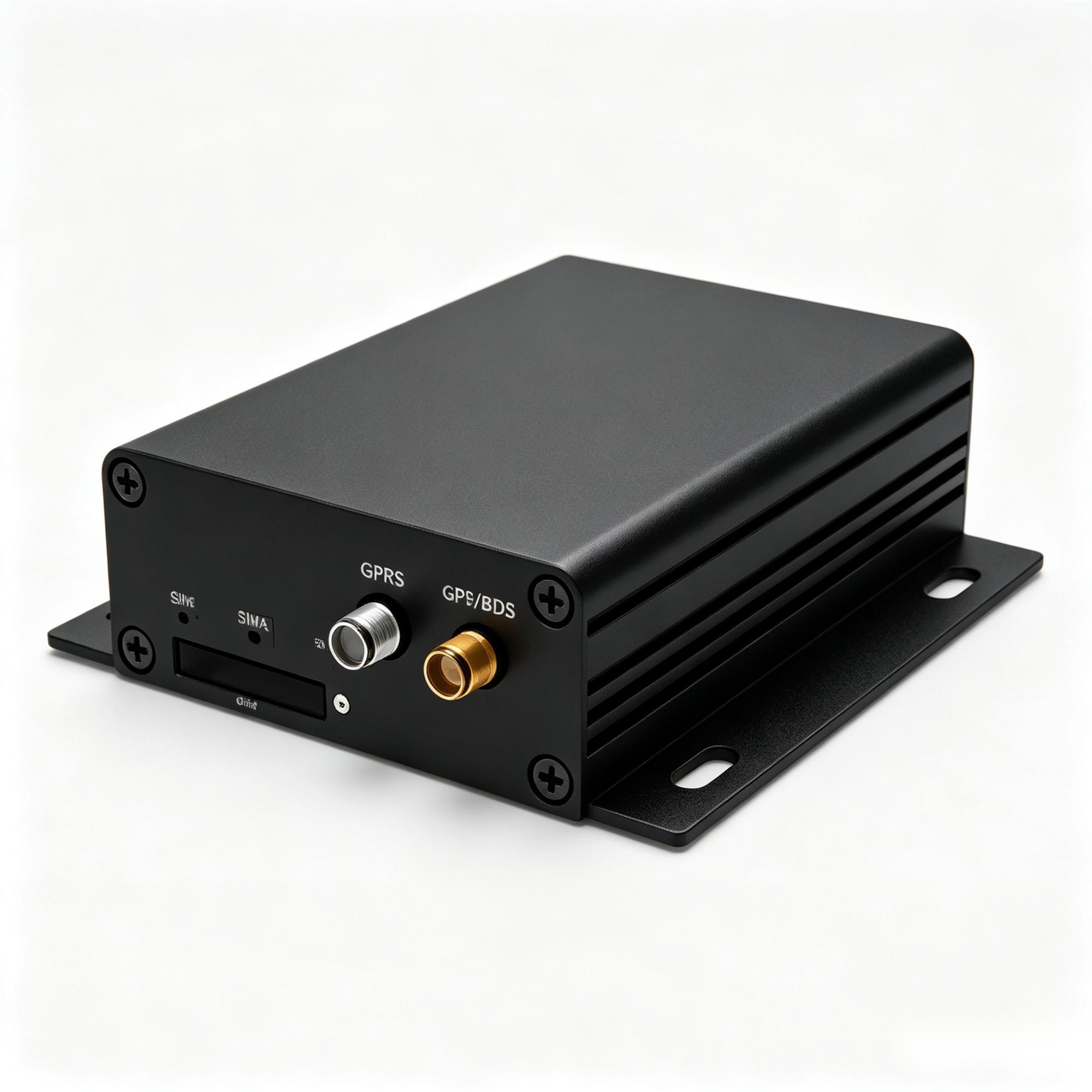
A300
An industrial gateway when the asset exposes machine data or a reachable interface.
Explore A300What to confirm before ordering
| Check | Why it matters in logistics specifically |
|---|---|
| Reassignable installation | Vehicles enter and leave the operation. Units that cannot move with the work are units you buy twice. |
| Roaming coverage | Cross-border work needs networks usable in every country entered, not only the country of purchase. |
| Store-and-forward | For positions successfully acquired during a cellular-only gap, it can determine whether upload is delayed or the record is lost; it cannot recover an absent GNSS fix. |
| Configuration control | Later batches must behave like earlier ones across depots. |
| Platform endpoint | Whether devices can report into the TMS or platform you already run. |
| Mixed asset classes | Tractors, trailers and containers are three device classes; see mixed fleet telematics. |
Assign the handoffs before a depot pilot
| Decision | Named owner | What the sample must show |
|---|---|---|
| Customer-visible record | The logistics/customer owner agrees the location, trip or event output, update interval, alert response and permitted use of subcontractor data. | Run an agreed event or delivery and compare what happened with the timestamps, fields and gaps received by the office. |
| Fitment and reassignment | The equipment owner permits installation; the depot or installer records mounting, power, removal and reassignment. | Use the intended owned or subcontracted vehicle class and confirm the record follows the correct vehicle, trailer or load. |
| Configuration and receiver | The hardware coordinator freezes the variant and reporting profile; the platform/TMS owner confirms endpoint, fields, units, access and gap presentation. | Confirm the receiver gets the agreed event in a usable form before customer visibility or automation is enabled. |
| Rollout decision | The customer and implementation owner agree thresholds, exceptions and who acts when an alert or delivery fails. | Record pass/fail and open issues before moving to another depot or vehicle class. |
Keep cost lines separate: hardware; installation and vehicle availability; SIM/data and roaming; platform/TMS, API or storage fees; configuration, mapping and support. Compare the road-fleet operating path and the device, API/file and migration routes without assuming that one platform connection covers the others.
Discuss a logistics rolloutBefore you contact anyone
The tracker selection check turns the asset list into a specification; the blank field confirmation sheet records what each vehicle and asset class needs — useful when several depots have to agree on one standard. Both are free and usable with any supplier.
Logistics platform data is not by itself a verified remote DDD file path; review the DDD project guide.
Rolling out across a logistics operation, stage by stage
Logistics operations fail at rollout more often than at selection, because the fleet is rarely all in one place and rarely all owned. A sequence that survives contact with a real depot:
- One depot, one vehicle class, six weeks. Not a mixed sample: one class, so that anything odd is attributable. Confirm the install time per vehicle in practice, not in theory. Whatever the number is, it will set your entire rollout schedule.
- Add the awkward cases deliberately. The oldest vehicle, the one with the aftermarket electrics, the subcontracted unit, the one that crosses a border. These are where the exceptions live, so add them early enough to expose the conditions that could change the rollout.
- Check who is actually opening the platform. If dispatch has not logged in during stages 1 and 2, more vehicles will not change that. Investigate alert design, access and workflow before scaling.
- Roll out by depot, not by vehicle count. One depot at a time keeps a firmware or fitment problem contained, and gives each depot manager a working example from the last one.
- Only then connect it to anything. TMS integration, customer-facing ETAs and automated proof-of-delivery are worth doing after the data is known to be reliable, and expensive to unpick if built on top of a fleet that is half-fitted.
Two constraints need planning: subcontracted vehicles you cannot fit hardware to, and vehicles that are not available when the fitter is. Write the tracking requirement into subcontracts and include vehicle availability as a scheduling constraint.
For temperature-controlled work the sequence is the same, but the pilot has to include a real route with the probe in its intended position — see cold chain vehicle tracking.
Frequently asked questions
Choosing the hardware
How is logistics tracking different from fleet tracking?
The hardware questions are similar. What differs is the organisation: rollouts happen in waves across depots, some vehicles are not owned, and data often has to be shown to customers — each of which constrains the hardware choice.
How do we track subcontracted vehicles?
Usually with non-invasive or reassignable units, or by tracking the trailer or container rather than the tractor. Data rights should be agreed before hardware is fitted.
Should we track the vehicle or the freight?
If the vehicle changes but the load does not, tracking the trailer or container gives a more useful record. Many operations do both for high-value work.
What update interval should a customer portal show?
Whatever the hardware and data plan can sustain across the whole route. Set the interval from what is achievable, then commit to it — not the other way round.
What happens on cross-border routes?
Roaming and the cellular generations available in each country have to be checked before the order. A device that works domestically can go quiet across a border.
How do we keep later batches consistent?
Freeze the specification after validation, document the reporting profile and configuration, and confirm product lifecycle before the first order so later waves can use the same model.
Ordering and support
What is the minimum order quantity?
Custom orders start from 100 units. Samples and small validation batches are handled separately, which suits a staged rollout.
How long is the lead time?
Confirmed by model, configuration and order quantity — worth planning around when a rollout runs across several depots.
What warranty applies?
A 12-month limited warranty from the shipment date shown on the commercial invoice.
Can devices report into our TMS?
Where the model supports it, yes — devices can be pointed at your own endpoint. Confirmed per model before you commit.