Assets & valuable cargo
Find trailers, containers and equipment even when they have no power
Explore fleet and industrial telematics around the real operating environment. Find trailers, containers and mobile equipment that may sit unattended without a driver or power connection.
Tell us what is difficult todayProblems your team will recognise
What keeps costing time, money or peace of mind?
Start with the calls, delays, missing information and disagreements that happen during a normal working day.
Unexpected opening, movement or custody changes may only be discovered after delivery.
Tool cages, site containers and reusable equipment move between projects faster than inventory records are updated.
Remote units change customer sites, remain unattended and may be serviced from estimated rather than actual use.
Wagons move across regions without their own dependable power or a continuous fleet-management connection.
Tugs, stairs and service units are spread across aprons, making dispatch and handover slow.
What changes
See what your team can manage more easily.
Each answer connects one familiar problem to information your team can understand and act on.
Extend container visibility across long unattended journeys
What becomes easierTeams gain better milestone and dwell visibility without presenting cellular tracking as continuous ocean coverage.
How it works: A project-matched solar or long-life asset tracker can store and forward periodic location; satellite communication is a separate specialist option.
Add discreet movement evidence to high-value shipments
What becomes easierSecurity teams gain another evidence layer for investigating selected consignments.
How it works: A discreet battery tracker can add position and movement events; light, shock or access sensing requires a validated device and placement.
Reduce blind spots around reusable site assets
What becomes easierTeams spend less time searching and can investigate unexpected movement earlier.
How it works: Battery tracking and geofences can provide periodic location for selected higher-value units.
Connect mobile generators and pumps beyond the depot
What becomes easierThe operator gains a clearer deployment and maintenance record across mixed equipment.
How it works: Battery or powered tracking can provide location and movement; compatible machine data can add selected run information.
Why it matters
Why asset tracking needs a different design from vehicle tracking
An asset may remain still for weeks, cross several handovers and offer no electrical connection. Reporting frequency, battery strategy, mounting, network coverage and asset value therefore matter as much as positioning itself.
How the information reaches your team
From the device to the platform your team already uses.
Here is the simple explanation first. The technical connection is shown underneath for teams that need it.
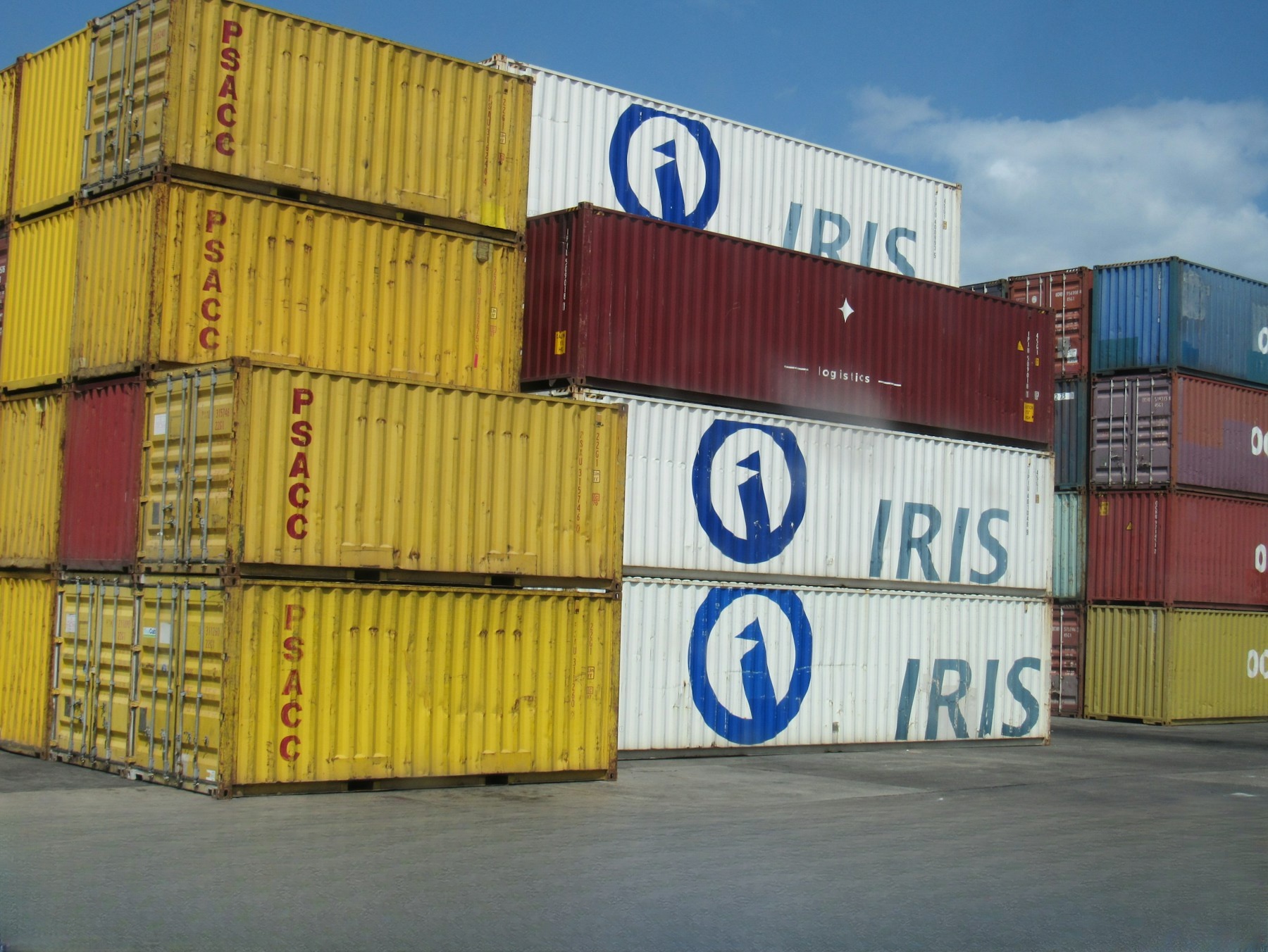
Track assets that have no cable or driver
Attach a battery-powered device to suitable trailers, containers and mobile assets without adding a permanent power connection.
Technical support: Battery power and magnetic mountingSave battery while an asset waits, then report when it moves
Use slower updates during long stops and more useful activity reporting when movement starts.
Technical support: Movement-aware reporting profilesKeep a record when mobile coverage temporarily disappears
Store selected positions during a coverage gap and send them after the connection returns.
Technical support: Store and forward memoryKnow more than location when the cargo needs it
Add supported door, light, shock or environmental sensing only when that information changes how the team responds.
Technical support: Project-matched external sensorsWhat to measure in a trial
Look for changes your team can actually notice.
Measure fewer location calls, quicker answers, clearer records and better-timed action. We do not invent savings percentages before a real pilot.
Faster access to a useful last-known position
Identify selected assets that remain too long at one location
Add movement evidence across custody changes
Match update frequency to the real operating cycle
Earlier awareness of unexpected movement or boundary events
Working with your current operation
Keep the tools and processes that already work.
We match the device to your platform, vehicles, sensors and daily workflow instead of asking your team to start again.
Keep the platform your team already uses
We check whether the device can send the location, status and alarm information your existing system needs before recommending it.
Change settings without recalling every vehicle
Where supported, reporting intervals and selected settings can be adjusted remotely after installation.
Manage vehicles, machines and unpowered assets together
Different device types can be chosen for each asset while their useful information is brought into the platform your team already uses.
Add the information your operation is missing
Supported door, temperature, fuel, driver and machine-data inputs are matched to the events your team actually wants to see.
common operating situations
Find the situation that feels most like yours.
Each example begins with a problem your team may already be dealing with and shows what information could make it easier.
Assets & valuable cargo
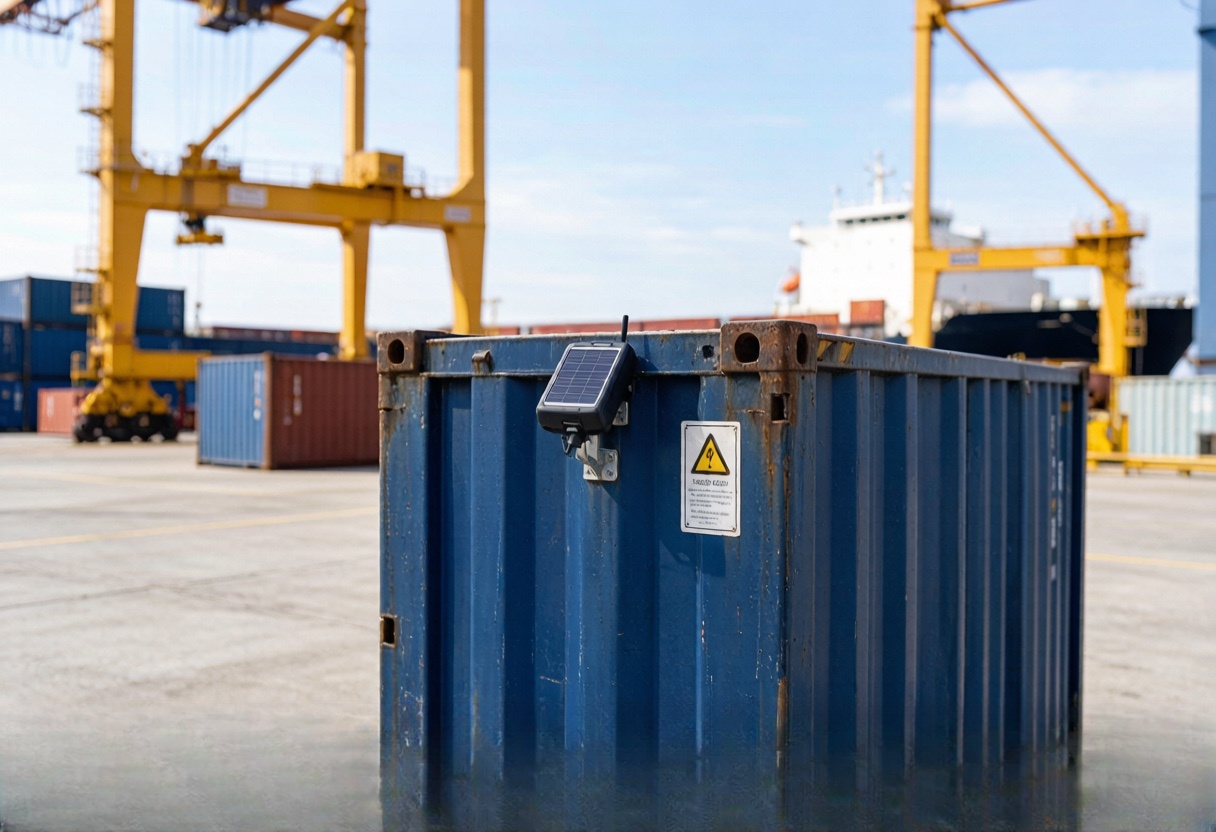
Extend container visibility across long unattended journeys
Containers can sit or move for long periods without a practical power source, and cellular coverage may be intermittent.
What becomes easierTeams gain better milestone and dwell visibility without presenting cellular tracking as continuous ocean coverage.
See how it works 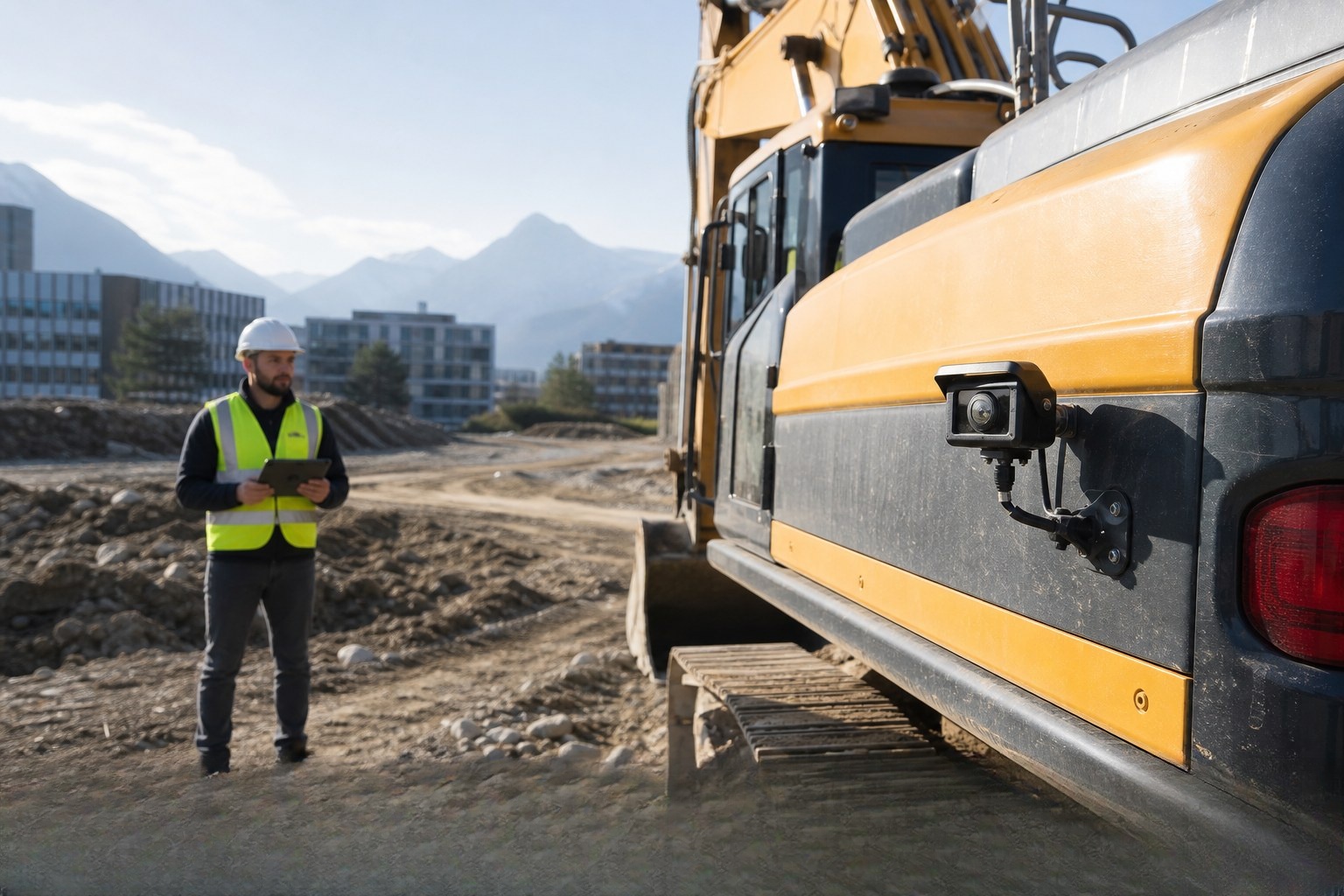
Assets & valuable cargo
Reduce blind spots around reusable site assets
Tool cages, site containers and reusable equipment move between projects faster than inventory records are updated.
What becomes easierTeams spend less time searching and can investigate unexpected movement earlier.
See how it works 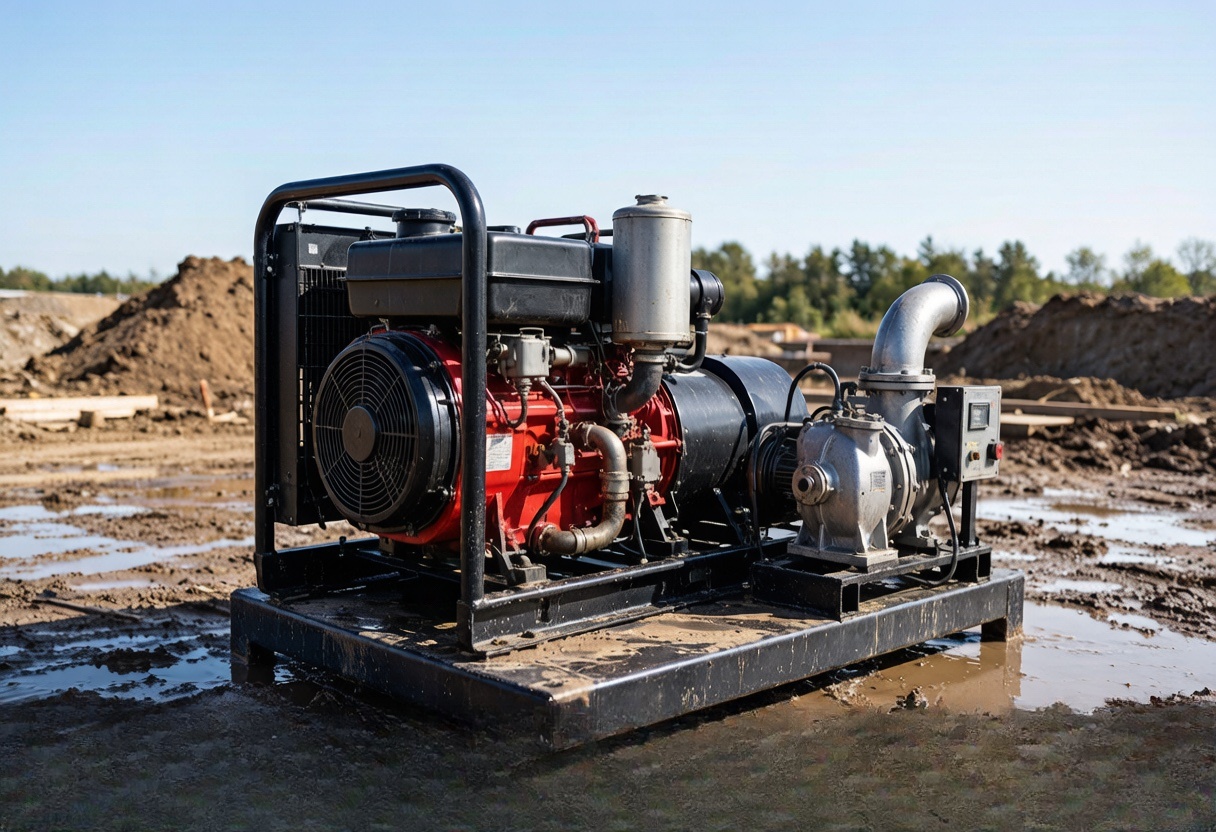
Assets & valuable cargo
Connect mobile generators and pumps beyond the depot
Remote units change customer sites, remain unattended and may be serviced from estimated rather than actual use.
What becomes easierThe operator gains a clearer deployment and maintenance record across mixed equipment.
See how it works Hardware that may fit
Start with documented options for this working environment.
3 documented options to compare
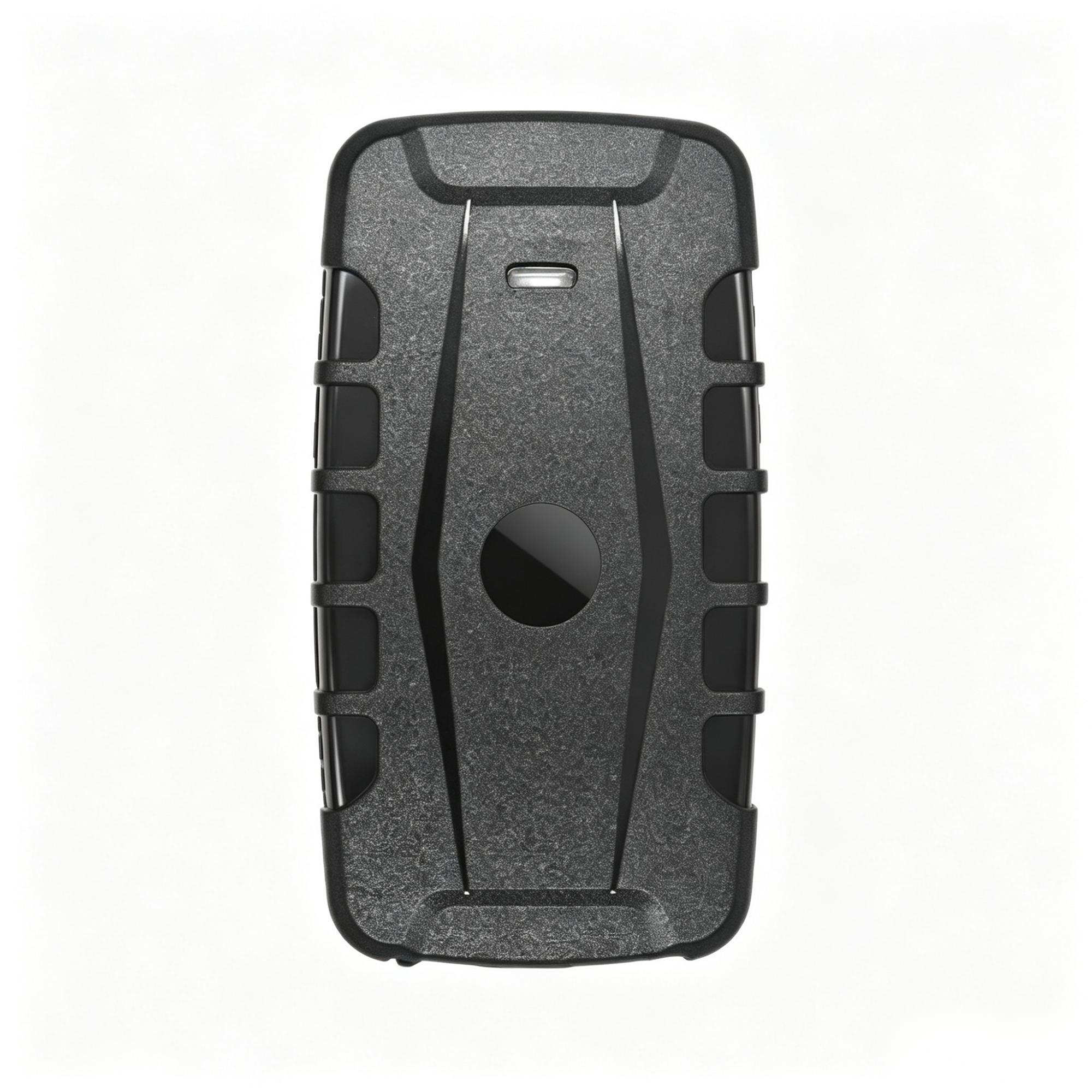
GT76
Find trailers and equipment that have no fixed power connection
A magnetic rechargeable tracker for containers, trailers and temporary equipment that may sit unattended and still need periodic location and movement records.
No fixed powerMagnetic mountingLong dwell time
See where it fits 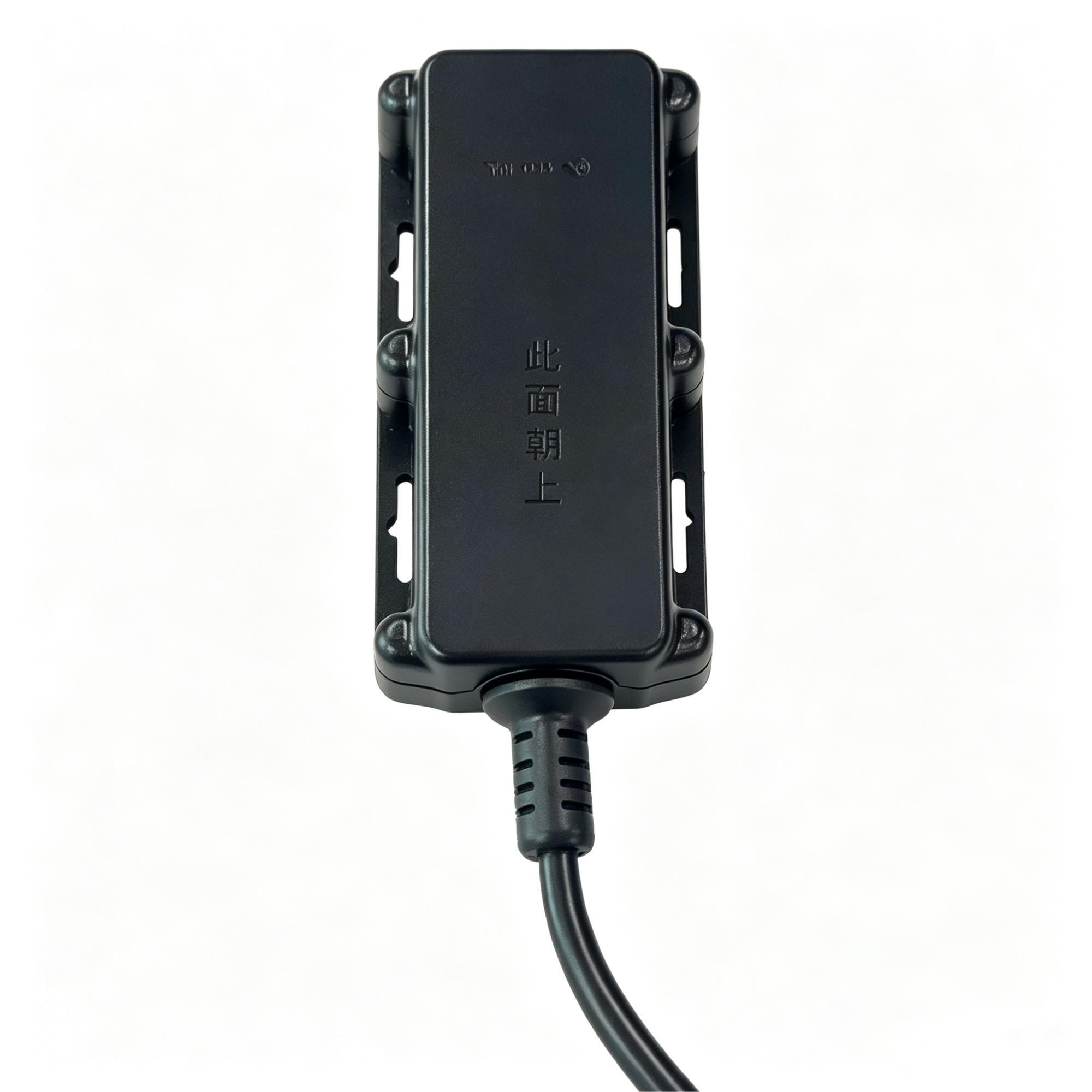
A700
Keep powered outdoor equipment visible without paying for machine-data functions
A protected, wide-voltage tracker for exposed vehicles and equipment that need location, movement and power events, but do not need CAN engine data.
Outdoor equipmentIP67Powered assets
See where it fits Priority solution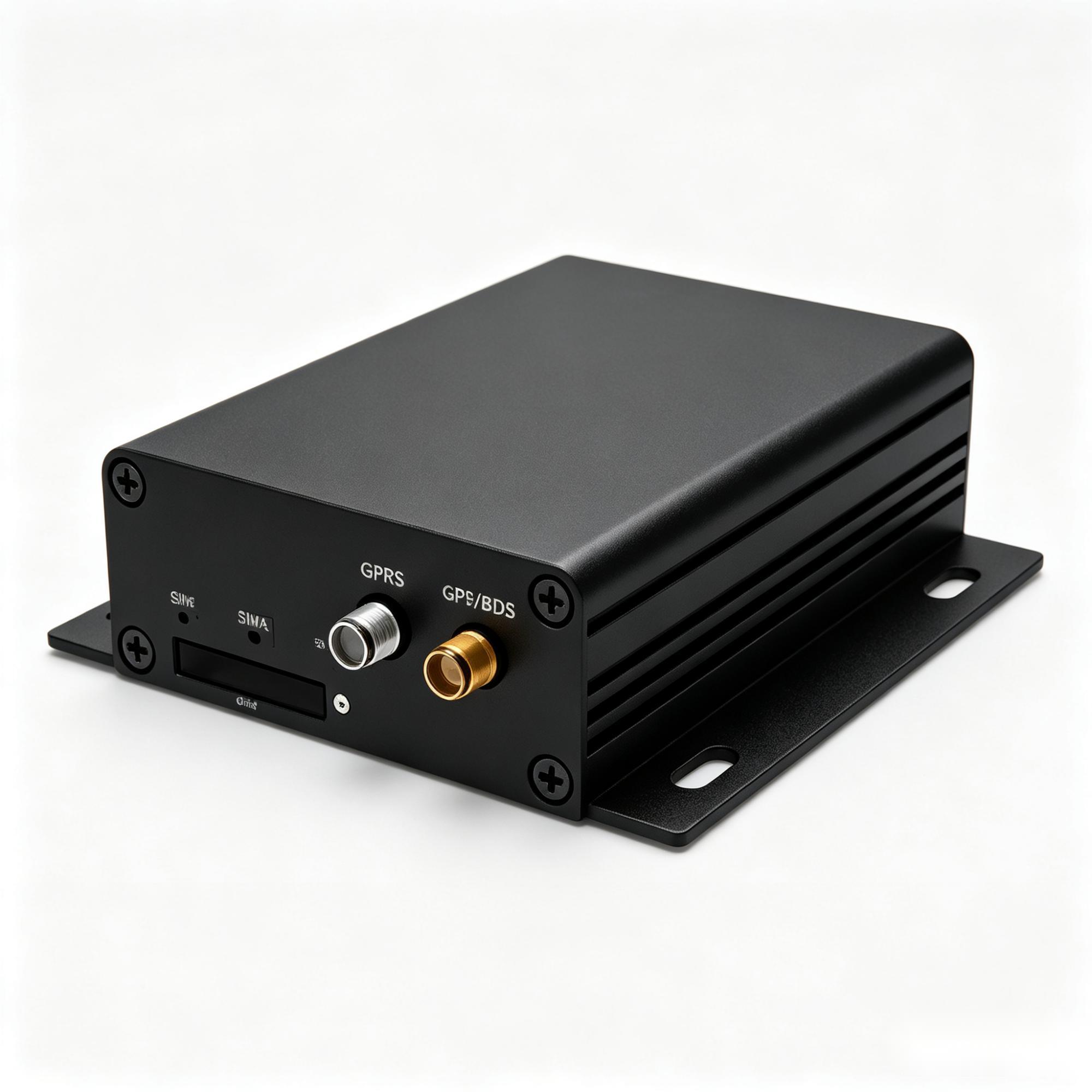
A300
See where each machine is, how long it worked and what needs attention
For excavators, tractors, trucks and specialist equipment where location alone is not enough. It can bring available machine data, work states and matched sensors into the customer's platform.
Heavy equipmentMachine dataSensor projects
See where it fits These are candidate models, not an automatic final selection. Network bands, interfaces, approvals, installation and platform fit are confirmed for the exact project.
What needs special attention
Every industry has a different working reality.
Weather, power, vehicle data, coverage and response responsibilities change what a useful solution looks like.
Track the assets that are costly to lose or hard to find
Focus the first rollout on the trailers, containers and equipment where location saves real search time or risk.
Move the tracker when a temporary job ends
Use suitable recoverable mounting for short projects and planned redeployment.
Notice equipment that has been sitting in the wrong place
Periodic reports make long stops and stranded assets easier to find.
Extend unattended operation when the project justifies it
Consider validated solar options for assets that remain outside for long periods.
From asset to action
Get a location record your team can act on.
Start with the asset, reporting schedule and receiving system—not a battery-life promise.
Data and hardware
A battery-powered tracker or powered terminal can provide time-stamped location and movement records. Door or condition sensors are optional project additions. Match mounting, service access, coverage and reporting intervals to the actual asset.
Keep the receiving workflow
Where technically feasible, send records to your existing system through an agreed device protocol or platform connector. Your platform owner confirms fields, credentials and alert handling; cellular tracking is not continuous ocean coverage.
Agree costs and ownership
LEXUNYU coordinates candidate hardware and supplier documentation. Assign installation, SIM/connectivity, any connector or platform charges, battery service and response to alerts before ordering.
Check one representative asset
Compare timestamps, delivered locations and movement events against the operator’s record, including a coverage gap. The operator and receiving-system owner agree acceptable delay, reporting schedule and service interval; a plan is not a passed field test.
Questions customers usually ask
Clear answers before you spend time on a pilot.
How long will a battery tracker last?
It depends on battery size, temperature, coverage, movement and reporting frequency; the profile must be calculated per project.
Can it track continuously at sea?
Cellular hardware cannot promise ocean coverage. Satellite communication is a separate specialist solution.
Will magnetic mounting suit every asset?
No. Security, vibration, surface, maintenance access and local installation rules must be checked.
Does tracking replace cargo security?
No. It adds location and event evidence to the shipper's wider security process.
Build a clearer Assets & cargo operation.
Discuss the requirementMore working environments
Explore other industries
Project boundary
Asset visibility is a measured trade-off.
Battery life, reporting interval, coverage, mounting and sensing depend on the actual asset and route. We coordinate possible hardware paths and a representative check; we do not guarantee stock, battery duration, continuous cellular coverage or an automatic security result.