Plant & construction machinery
How Plant Machinery Trackers Work: GPS for Construction Equipment
A machine tracker combines positioning, cellular communication, power management and, on some models, a machine interface. The platform later shows only what those four functions can actually collect.
Match plant tracking hardwareStart with the decision
Key decisions for plant tracking hardware
Start with the machine and site
Vibration, wash-down, blocked sky and long idle periods change the specification.
Key point: The mounting position matters as much as the device class.
Make power and placement part of selection
Plant supply can be noisy and wider than 12/24V.
Key point: Permanent power, switched power and battery assets are different decisions.
Separate engine hours from powered time
Only a reachable machine interface can provide true machine data.
Key point: If no bus is exposed, say that the result is an approximation.
Treat attachments as separate assets
Buckets, breakers and other attachments often have no permanent supply.
Key point: A battery unit gives position and movement, not engine hours.
Validate on the real machine
Use the same machine class, power tap, mounting position and site conditions as the wider order.
Key point: A unit that powers on has not yet proved a week of operation.
This page explains the mechanics — what is inside a plant machinery tracker, how each part behaves on a construction site, and which device class fits which machine. For the wider equipment category, start with GPS trackers for equipment.
A tracker on an excavator has a harder job than one in a van. It has to survive vibration and wash-down, find sky through a boom and a cab roof, and read a machine that may expose nothing at all.
How plant machinery trackers work
A positioning receiver fixes location from satellite constellations; a cellular modem sends readings; a power circuit manages supply and sleep behaviour; and an interface may read CAN/J1939 or serial data. Booms, cab roofs, spoil heaps and quarry walls make placement part of the specification.
What makes construction machinery different from vehicles
| Check | Road vehicle | Construction machine |
|---|---|---|
| Supply voltage | Predictable 12V or 24V. | Often wider and noisier; some plant goes beyond 24V. |
| Sky view | Windscreen or dash is usually clear. | Steel cab, boom and spoil obstruct; antenna position matters. |
| Environment | Cabin conditions and occasional wash. | Vibration, dust, pressure wash-down and wide temperature swing. |
| Duty pattern | Runs most days and returns to a depot. | Weeks of work then weeks parked, often at a customer site. |
| Data exposed | OBD or FMS is fairly common. | Varies by machine and year; check model by model. |

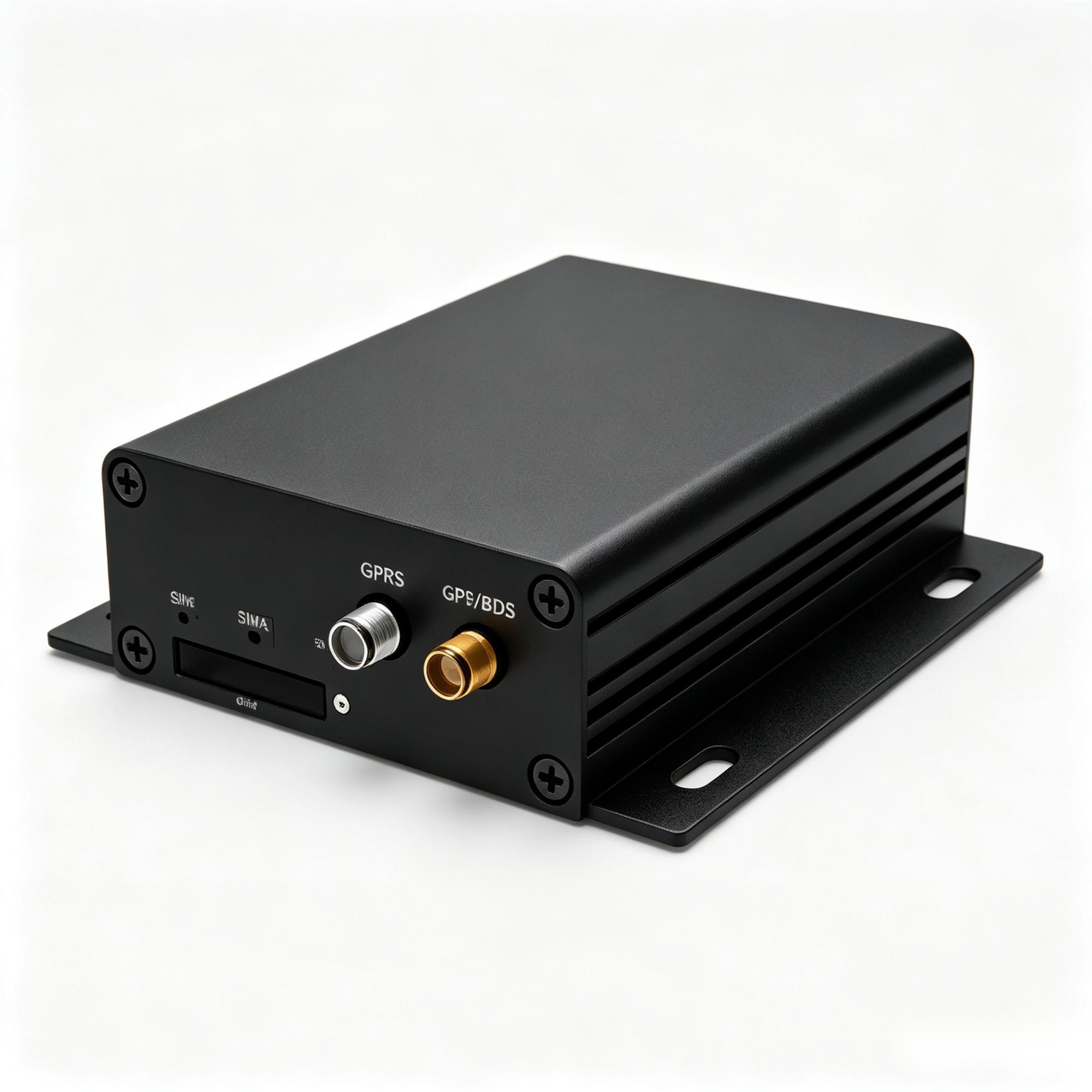
A300
A wired gateway with CAN/J1939 such as A300, when hours and machine state are the point.
Explore A300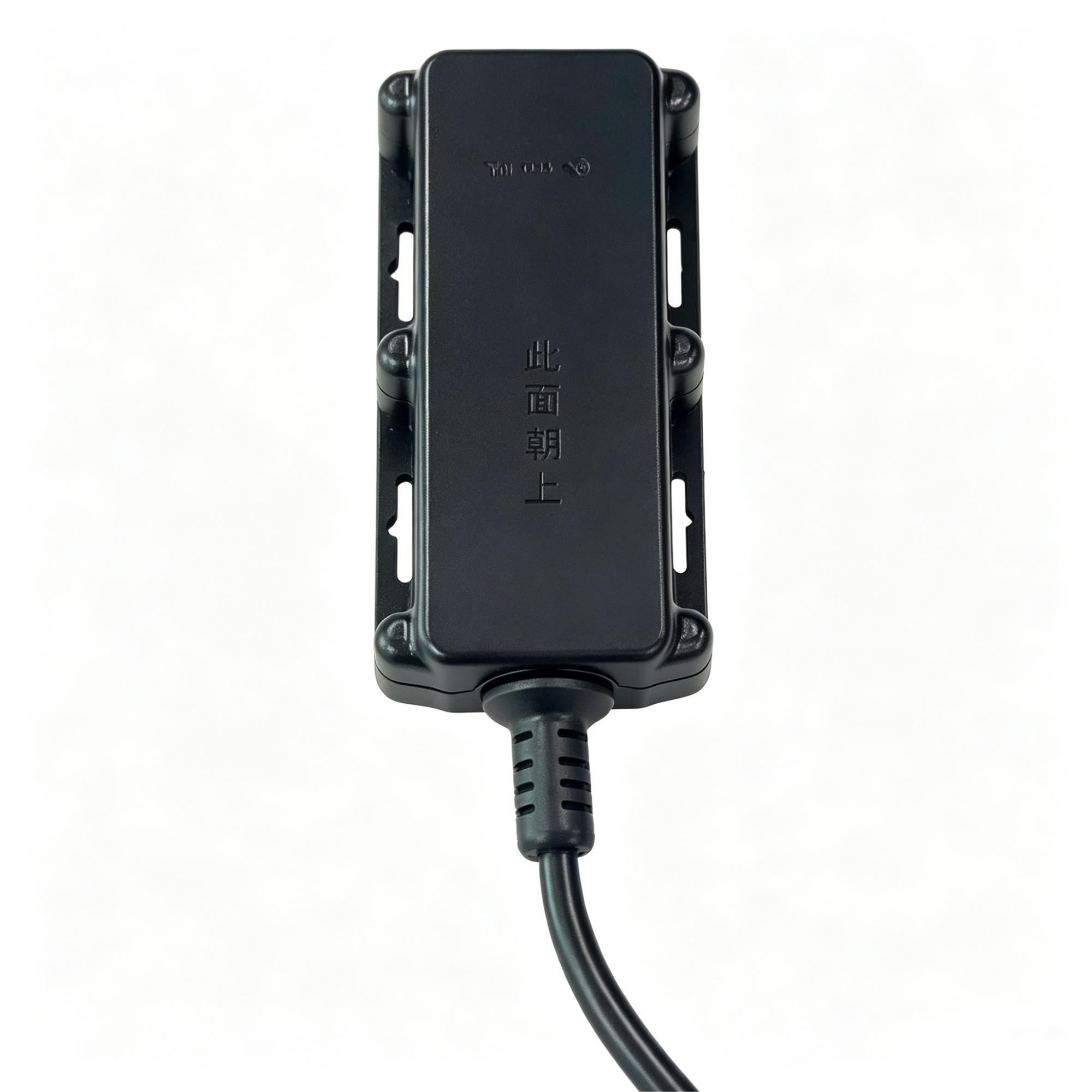
A700
An outdoor unit with wide voltage input such as A700, when exposure matters more than machine data.
Explore A700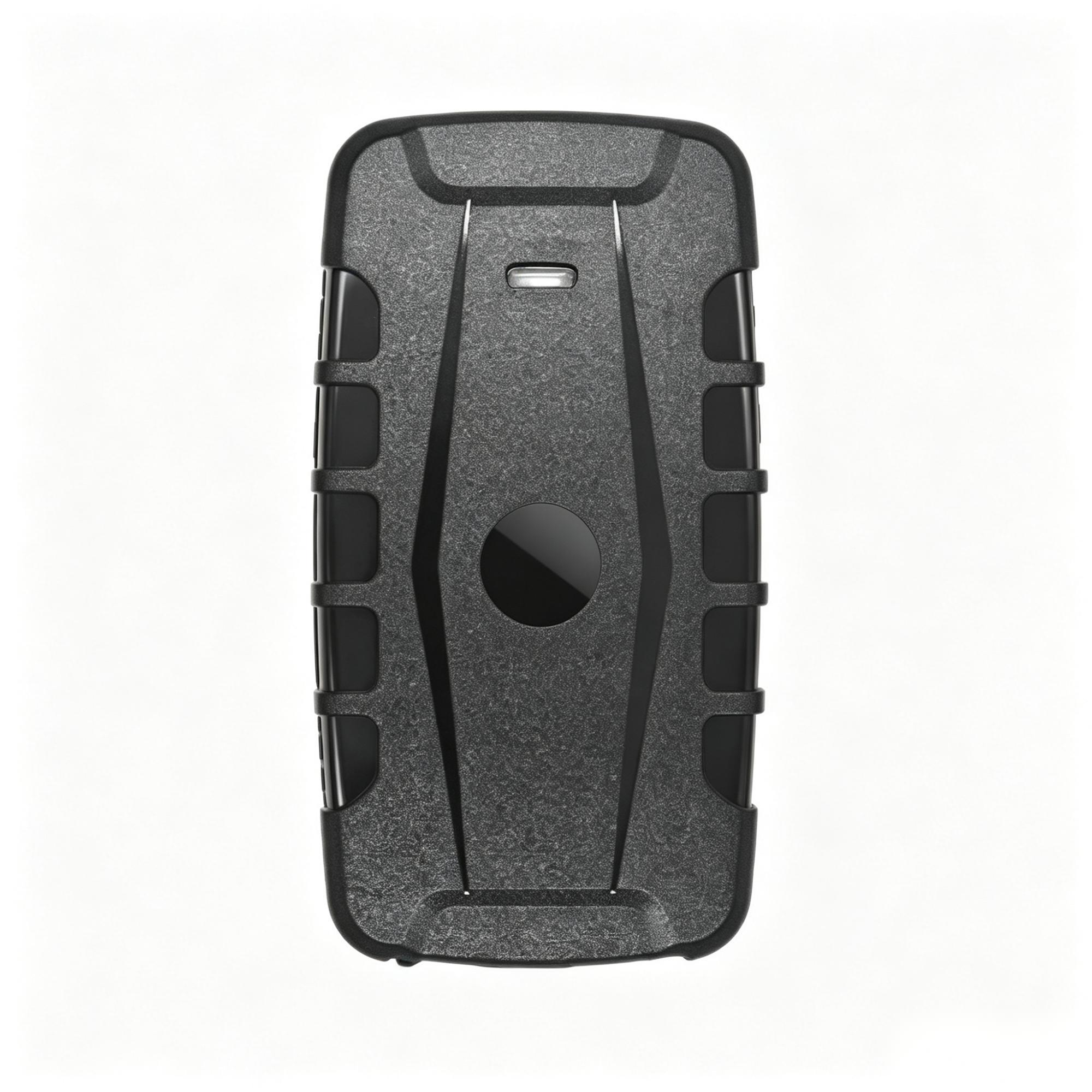
GT76
A battery unit such as GT76, because no permanent power exists.
Explore GT76Choosing between device classes on a site
- Excavator, dozer or crane with a bus: a wired gateway with CAN/J1939 such as A300, when hours and machine state are the point.
- Generator, light tower or pump: an outdoor unit with wide voltage input such as A700, when exposure matters more than machine data.
- Attachment, bowser or non-powered plant: a battery unit such as GT76, because no permanent power exists.
- Site vans and support vehicles: an expandable terminal such as C003F, keeping the road fleet on the same platform as the plant.
A mixed site therefore runs two or three device classes rather than one. The supplier comparison path is described in how to compare, test and order from a Chinese supplier.
What the data is actually used for on site
Record the mounting point, when a position was obtained and when the platform received it, the power or sleep state, and the source and reading for any working-hours data. Complete this blank record using observations from your own machine trial. Download the machinery installation data record (CSV) to keep those observations together.
- Finding machines: location and movement alerts solve the daily “where is the breaker” problem.
- Utilisation and hire records: needs hours the machine can defend.
- Service scheduling: hours plus activity so servicing follows use.
- Out-of-hours movement: movement alert plus last known position for theft protection.
On an excavator, the service compartment or engine bay protects the unit but can block signal; where the machine exposes CAN/J1939, hours and selected parameters can be read directly. Without a verified source or interface, hours may be unavailable; powered-on time is only conditional on an agreed signal. For a mixed-fleet brief that separates powered machines, attachments and existing OEM data, use the heavy equipment GPS tracking guide before choosing a device class.
Carry the machine value from its source to the office
| Path | Components and limits | Owner and sample check |
|---|---|---|
| Machine counter | Use a gateway only when the required controller field and interface are accessible. Existing portal access and field permission must be confirmed. | The equipment owner authorizes safe access; the platform owner maps source, units and resets. Compare the office record with the machine counter. |
| Ignition-derived hours | A narrower terminal can calculate powered-on time from an agreed signal. It is not a machine counter or proof of productive work. | The operator defines the useful rule; the installer confirms power and wiring. Compare known on/off periods, timestamps and gaps. |
| Manual reading | A human-entered meter note remains a separate source. Optional fuel, temperature or implement sensors require their own interface and installation check. | The customer names the recorder and review cycle. Keep manual and device values labelled separately during the sample. |
Cost lines to assign: hardware and harness; installation and machine downtime; SIM/data; existing portal, API, licence or storage; calibration and optional sensors; mapping and support. The customer and implementation owner agree the definition, acceptable gaps and delay before rollout. Use the heavy-equipment guide for the deeper mixed-machine path.
Commercial terms worth settling first
| Specification | Value |
|---|---|
| Minimum order | Custom orders start from 100 units. Samples and small validation batches are handled separately. |
| Lead time | Confirmed by model, configuration and order quantity. |
| Warranty | 12-month limited warranty from the shipment date shown on the commercial invoice. DOA within 30 days is handled under the existing order terms. |
| Certification | Documents are available for selected models; applicable marks are confirmed for the specific model and destination market. |
| Reply time (written) | We reply within one working day. |
Frequently asked questions
Choosing the hardware
How do plant machinery trackers work?
A tracker combines a positioning receiver, cellular modem, power circuit and, on some models, a machine interface. It fixes position from satellites, reads machine state from an input or CAN/J1939 connection, and transmits over cellular on an interval or event.
Can a tracker read engine hours from any construction machine?
No. True engine hours require the machine to expose the parameter through a verified source interface and platform mapping. If an agreed power or ignition signal is available and configured, a tracker may report powered-on time; without that verified source, hours may be unavailable.
Where should the tracker go on an excavator?
Usually the service compartment or engine bay, for protection and security. Because that position can block satellite signal, an external or relocated antenna may be part of the installation.
Do construction machines need a different device from road vehicles?
Generally yes. Supply voltage, vibration, wash-down exposure and long idle periods push towards a rugged unit with a mounting method suited to plant.
How are attachments and non-powered plant tracked?
With battery devices, since there is no permanent supply. The trade-off is reporting frequency against standby life, decided per asset class.
What if the site has poor cellular coverage?
Band support for the region and the ability to buffer readings until signal returns should be tested on the actual site.
Ordering and support
What is the minimum order quantity?
Custom orders start from 100 units. Samples and small validation batches are handled separately.
How long is the lead time?
Confirmed by model, configuration and order quantity. A configured order and a stock item are not the same lead time.
What warranty applies?
A 12-month limited warranty from the shipment date shown on the commercial invoice.
Can the data go into our existing platform?
Where the model supports it, yes. We confirm that capability per model before you commit.