Fleet and industrial telematics: what teams need to verify.
Evidence-led notes for fleet and equipment operators, telematics providers and integration teams — covering networks, deployment risk, hardware fit, data paths and changing market requirements.
Don't Backfill Utilisation From Ignition-Only
A practical office and field method when engine hours are missing or delayed: do not invent utilisation from ignition on/off events alone. Keep ignition as an event stream, leave the hours gap visible, and wait for a locked hours source.
Don't Average Two Disagreeing Hours Sources
A practical office and field method when a cab meter and a telematics hours feed disagree: name both readings, do not average them into one utilisation number, and keep one locked hours source for the file.
Don't Treat GPS Movement as Engine Hours
A practical office and field method for construction and fleet teams when a machine has moved: keep GPS movement and the hours source distinct, and do not backfill engine hours from travel, ignition, or a distance estimate.
Don't Treat a Change of Hours Source as One Continuous Record
When the hours source changes, keep the old series, the change point and the new series distinct, and do not splice or convert them into one continuous utilisation record.
Don't Treat a Sudden Hours Jump After a Gap as One Day's Work
When hours jump after a reporting gap, treat the jump as a backlog of unreported time, keep the gap and the jump distinct, and do not count it as one day's work.
Don't Treat a Missing or Delayed Hours Reading as Zero
When an hours field is blank, delayed or stale, do not treat the gap as zero work; keep it visible and pause utilisation comparisons.
How to Lock the Hours Source When a Cab Meter and a Telematics Feed Disagree
When a cab hour meter and a telematics hours feed disagree, lock the source, record the mismatch, and decide what a wider rollout can and cannot conclude.
How to Sample Engine Hours on One Machine Before a Fleet Rollout
A practical one-machine method to sample engine hours before a construction or fleet rollout: lock the source, map the platform field, and decide what a single sample does and does not prove.

Engine Hours vs Powered-On Time: Validate the Source on One Construction Sample
How construction and fleet buyers separate true engine hours from powered-on time when validating a CAN/J1939 gateway sample before a bulk decision.
GPS Tracker Battery Drain While Parked: A Buyer’s Sleep and Wake-Up Test Plan
Agree power and visibility requirements, check sleep and wake-up behaviour, and record sample evidence with the downloadable acceptance worksheet.
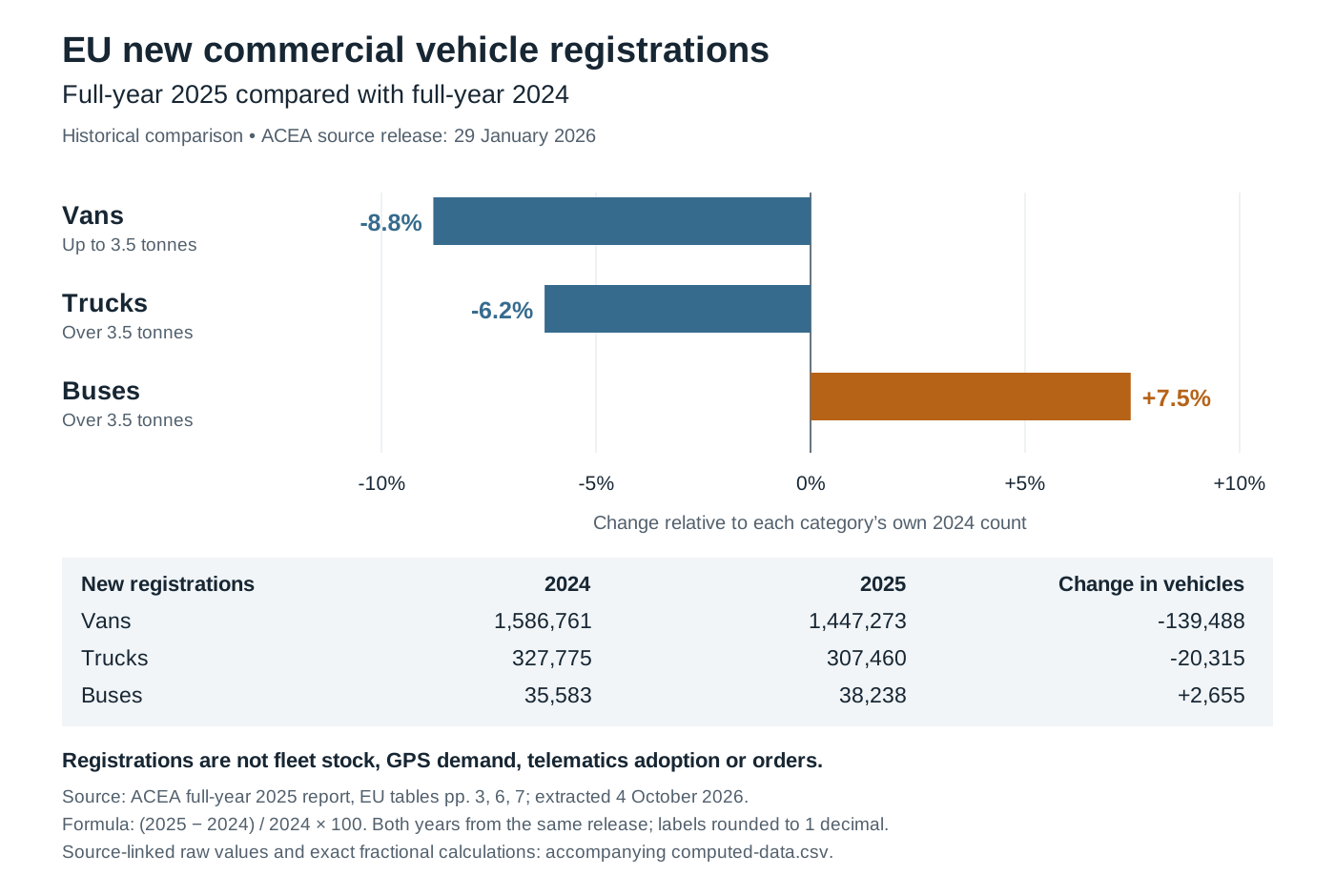
EU Commercial Vehicle Registrations in 2025: A Planning Note for Fleet Telematics Buyers
Compare the published annual counts, download the chart and data, and distinguish market context from project purchasing evidence.

Adding GPS Hardware to an Existing Fleet Platform: A Buyer’s Verification Guide
A practical workflow for comparing supplier responses and testing a sample, with downloadable blank buyer and supplier checklists.
GPS Tracker Online but Sensor Data Missing? What to Check Before Ordering More Devices
A practical way for installers and integrators to isolate missing sensor fields before replacing hardware or ordering more GPS trackers.

How to Test GPS Location Accuracy on a Construction Site
A practical method for comparing GPS positions with independent references, separate timestamps and repeatable site conditions.
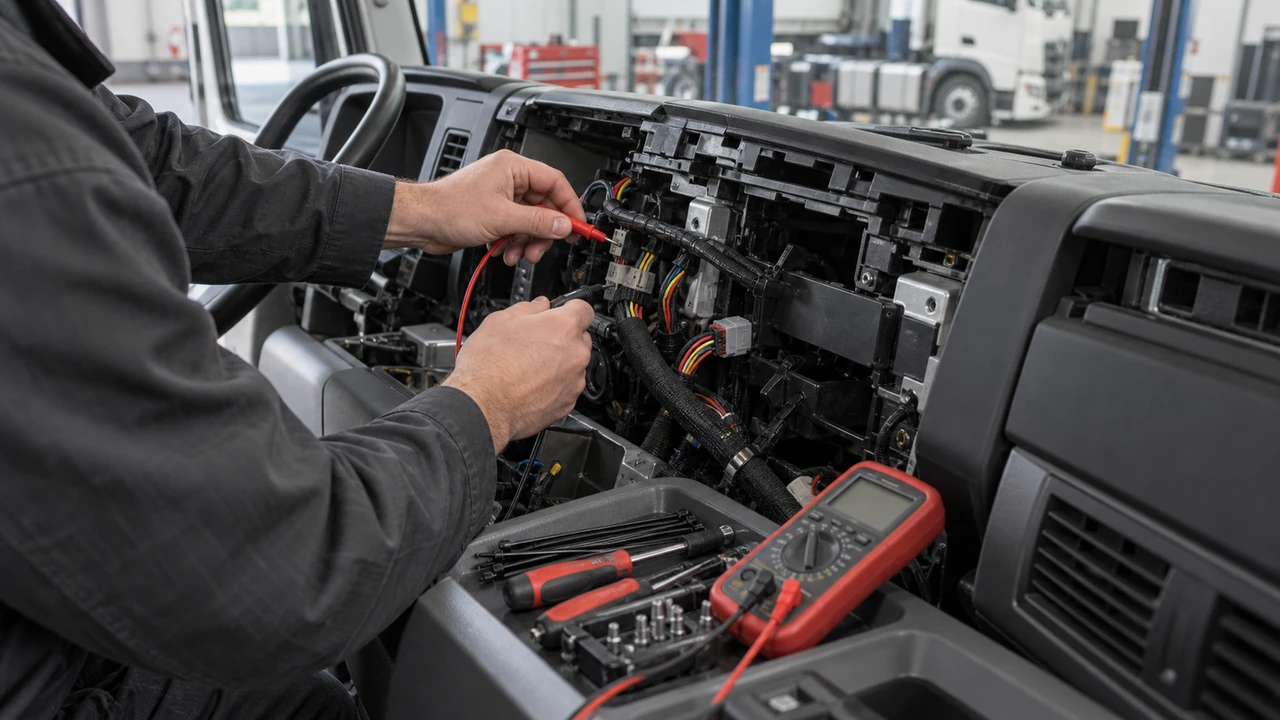
Professional Hard-Wired HGV Tachograph Integration: An Installation Scope Checklist
Define access, wiring, commissioning evidence and handoff responsibility before a hard-wired HGV DDD route is treated as pilot-ready.

Remote Tachograph DDD File Delivery: What the Receiving System Must Confirm
Preserve the original signed file, assign the receiving route and record evidence that confirms delivery.

Scheduled Remote Tachograph DDD Downloads: What Must Be Defined Before Automation
Define scope, cadence, file handoff and evidence before recurring DDD requests are automated.
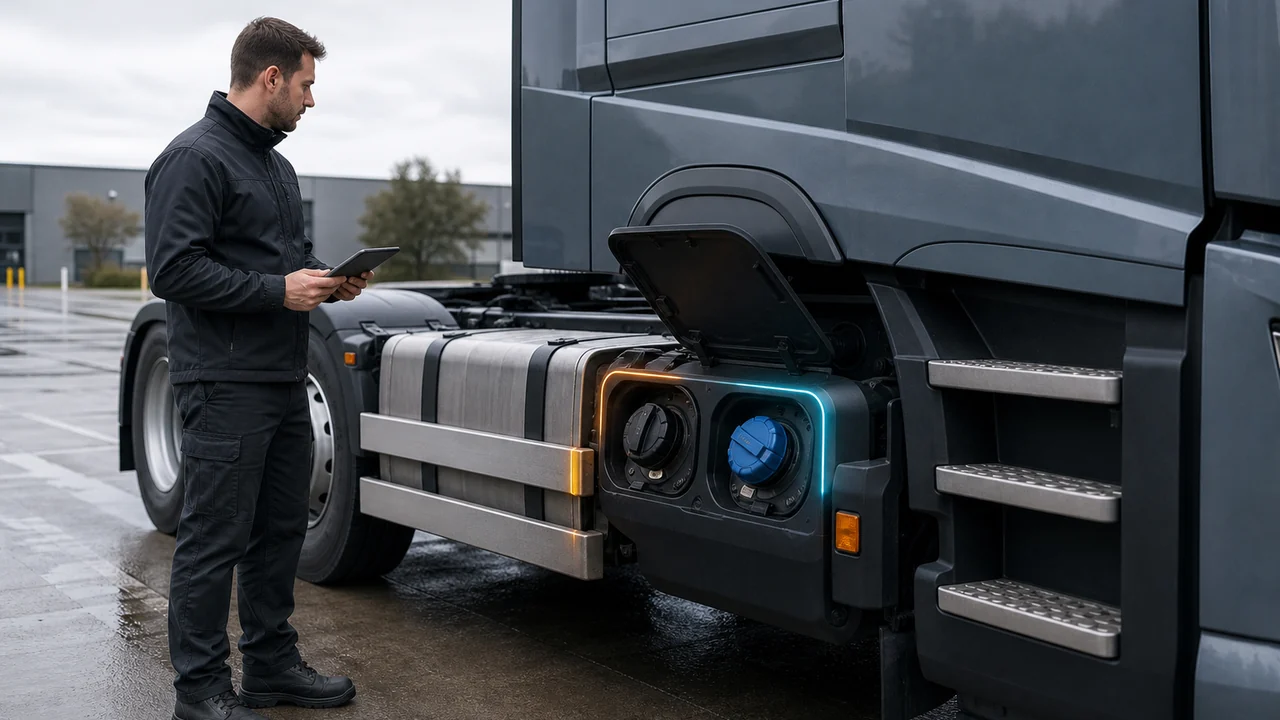
Fuel and AdBlue Data from J1939 Still Need Vehicle-by-Vehicle Validation
Validate field availability, state, scaling, freshness and handoff for each vehicle configuration.
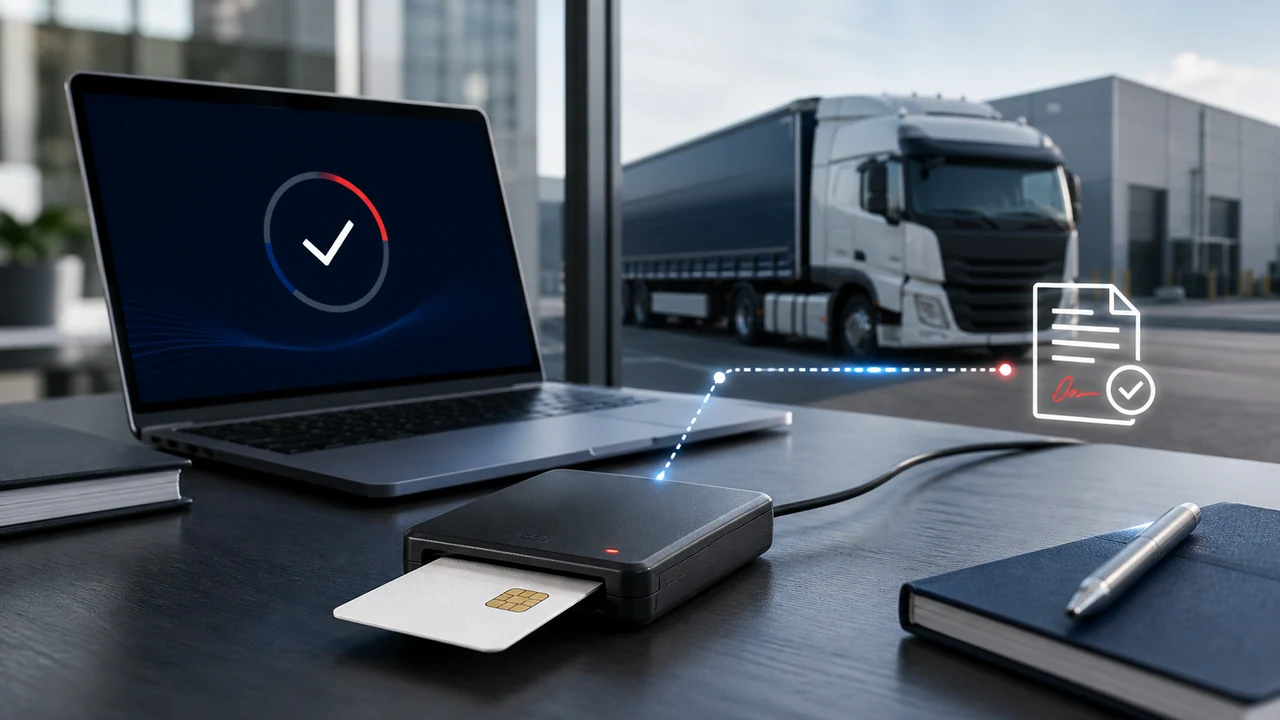
Company Card Authentication in Remote Tachograph Downloads
Define the card, session, evidence and handoff before a remote-download pilot.

What HGV Integrators Should Confirm Before Comparing Remote-Download Hardware
A practical evidence checklist for a consistent project brief.
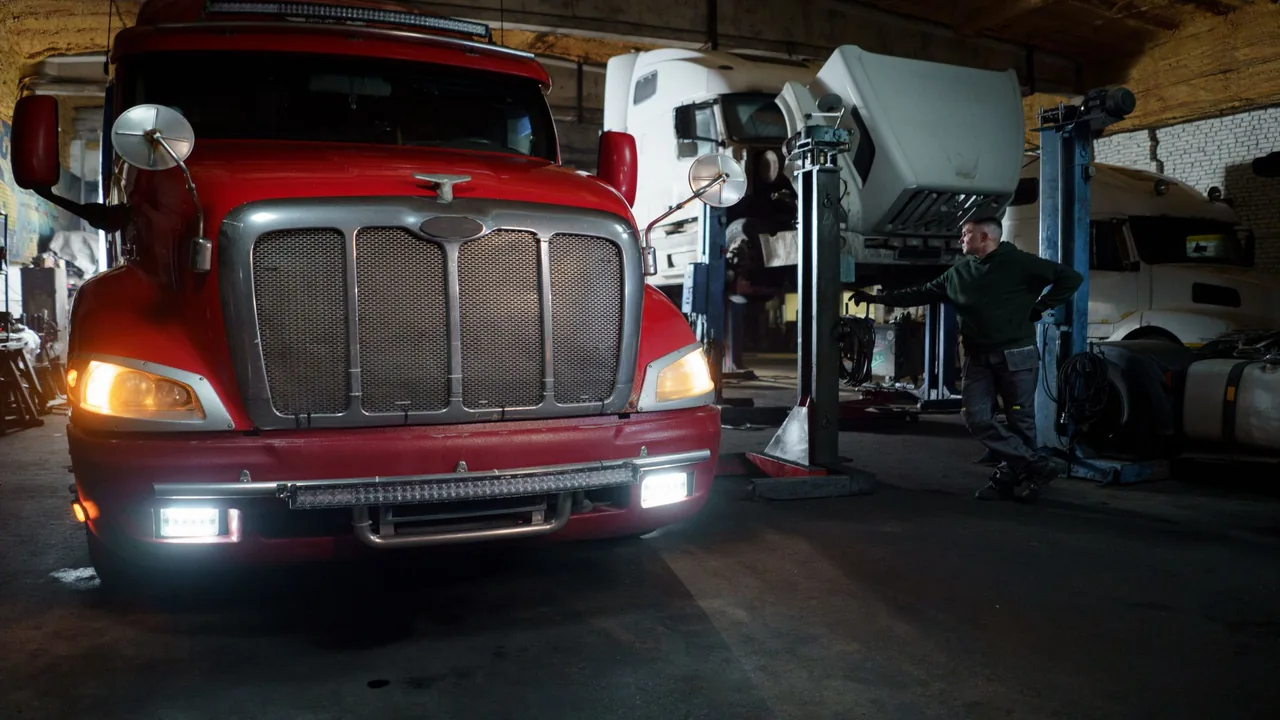
FMS/RDD or Direct Tachograph Connection?
Choose the route by vehicle, tachograph and destination evidence.

CAN Data Is Not a Remote Tachograph DDD Download
Separate vehicle signals from authenticated tachograph file evidence.
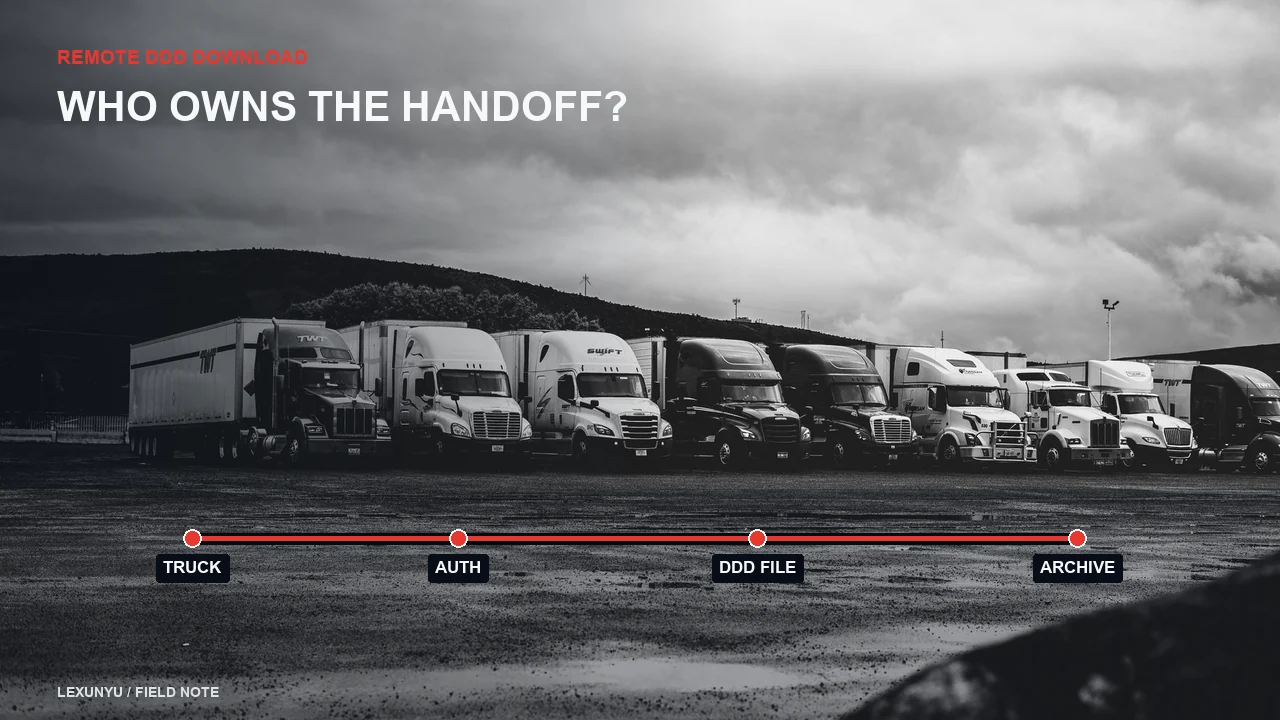
Who Owns Each Step in a Remote Tachograph DDD Download Project?
A buyer-side responsibility map for company-card authentication, scheduling, retries, signed files and platform handoff.
Read more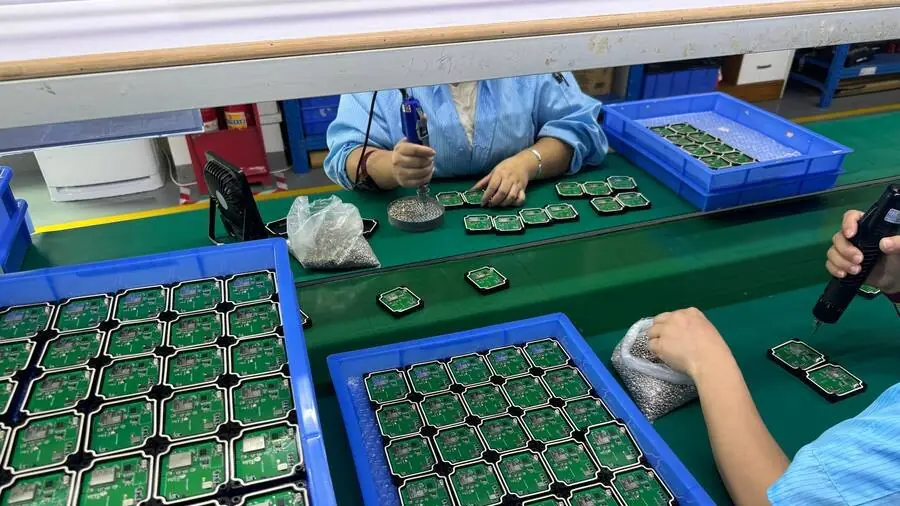
What We Actually Look At When We Walk a GPS Tracker Factory in Shenzhen
A supplier audit is not a tour. The four places we stop on a Shenzhen line, the one question worth asking at the test station, and what a factory visit still cannot tell you.
Read more
Geotab Reports More Than 1M Connected Vehicle Subscriptions in EMEA: Hardware Questions for Buyers
Geotab reported more than 1 million connected vehicle subscriptions in EMEA. Buyers still need to check hardware fit and verification for their own deployment.
Read more
How to Choose GPS Tracking for a Small Delivery Fleet
A practical pre-purchase checklist for small delivery operators: define daily questions, map responsibility, test real scenarios and clarify support.
Read more
Container GPS Tracker Buyer Checklist: Battery, Alerts and Mounting
A container tracker works only when battery profile, movement alerts, mounting and platform data match the real route. Here is what buyers should check before samples.
Read more
Semi Trailer GPS Tracker: Battery Life, Mounting and Alerts
Semi trailers need different tracking decisions from trucks. This guide explains battery, mounting, reporting interval and alert checks before sample sourcing.
Read more
Heavy Equipment GPS Tracking: 5 Installation Mistakes to Avoid
Heavy equipment GPS tracking often fails because of installation reality. Check power, vibration, mounting, signal and machine data before ordering samples.
Read more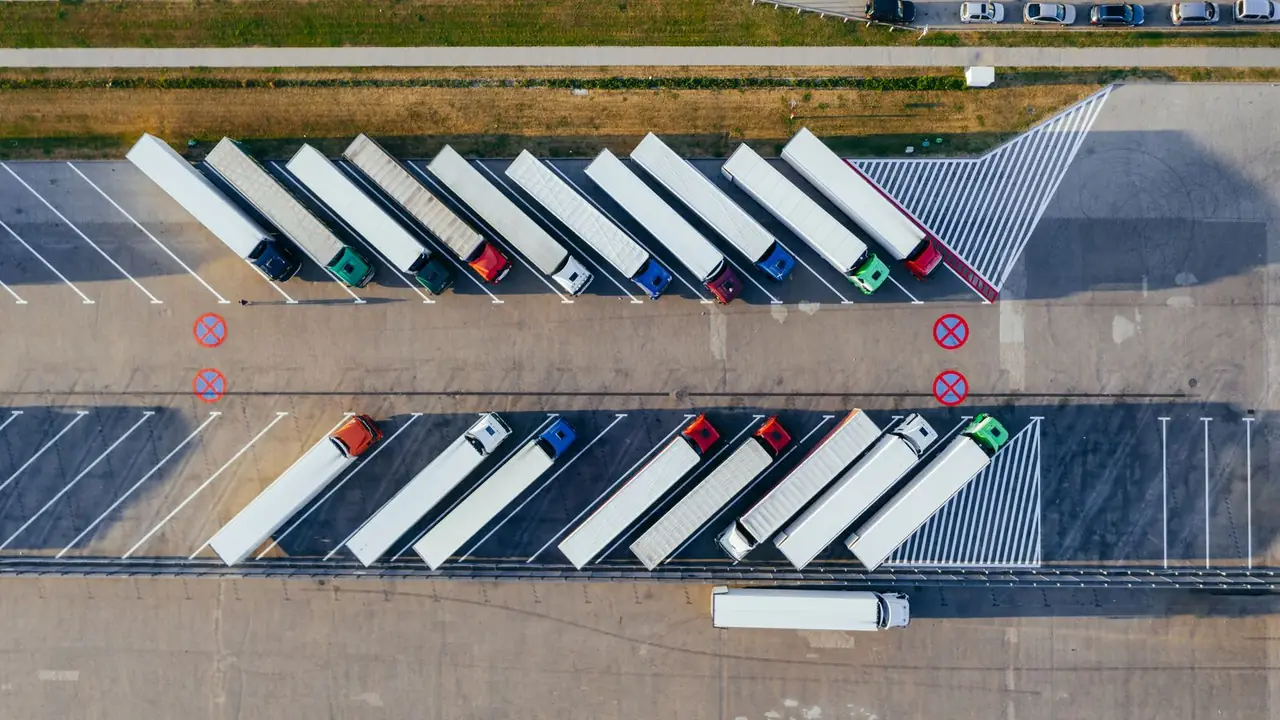
How to Choose a GPS Tracker for Trucks
Choose truck GPS tracker hardware around routes, installation, alerts, sensors, platform data and sample testing, not just a long spec sheet.
Read more
Why Low-Cost GPS Trackers Create Hidden Fleet Costs: 5 Checks That Matter
A low unit price can hide network, power, reporting and integration limits. Review five checks before treating a tracker as ready for operational use.
Read more
GPS Trackers for Trailers and Containers: Closing the Cargo Theft Blind Spot in 2026
Trailer and container visibility depends on battery profile, mounting, reporting, coverage and response rules. This guide explains what to verify before a pilot.
Read more
EU Smart Tachograph Expansion and the 2G Shutdown: What Fleet Buyers Should Spec in 2026
For in-scope 2.5–3.5 t international light commercial vehicles, tachograph duties and tracking hardware are separate checks. Network retirement adds another replacement question.
Read more
Solar GPS Tracker for Generators and Remote Assets: What Buyers Should Spec in 2026
Self-powered tracking can suit generators and remote assets when autonomy, enclosure, network coverage, mounting and reporting intervals are checked together.
Read more
How to Validate a China GPS Tracker Sample Before a Bulk Order
A buyer-side checklist for Telematics providers and fleet-tech teams: LTE bands, firmware, certs, platform verification and sample-to-production consistency.
Read moreDDD project guide Start with the route, responsibility and handoff questions in the remote tachograph DDD download guide.