Rental, leasing & risk
Keep a clearer record from vehicle handover to return
Explore fleet and industrial telematics around the real operating environment. Keep a clearer handover-to-return record and investigate late returns, unusual movement, mileage and fuel questions.
Tell us what is difficult todayProblems your team will recognise
What keeps costing time, money or peace of mind?
Start with the calls, delays, missing information and disagreements that happen during a normal working day.
Unattended vehicles need location, return-zone and access information connected to the operator's platform.
Mileage-only pricing cannot describe when and how a vehicle is used, while inconsistent data weakens risk models.
Fuel discrepancies and private use are hard to investigate when receipts, mileage and vehicle data do not align.
Different risk levels need different installation and recovery policies.
What changes
See what your team can manage more easily.
Each answer connects one familiar problem to information your team can understand and act on.
Add an independent location layer to financed vehicles
What becomes easierRisk teams gain another source of location context for authorized recovery workflows.
How it works: A discreet battery device can provide periodic position and movement events without depending on vehicle power.
Connect shared-car location, zones and access workflows
What becomes easierOperators gain a hardware route for automated fleet workflows after security and integration validation.
How it works: Project-matched 4G/Bluetooth hardware can combine geofences, selected vehicle data and approved lock or access interfaces.
Capture driving data for usage-based insurance projects
What becomes easierThe programme gains a consistent hardware data feed; pricing logic and actuarial outcomes remain with the insurer.
How it works: A compatible wired vehicle terminal can collect agreed mileage, time, speed and driving-event inputs for the insurer's scoring system.
Connect fuel changes to rental-vehicle movement
What becomes easierRental teams gain better evidence for reviewing abnormal fuel changes and vehicle use.
How it works: Compatible CAN or external fuel sensing can be paired with position and trip records after tank and sensor suitability are checked.
Why it matters
Why rental teams need a reliable record after handover
Rental teams carry the asset risk while the vehicle is outside their direct control. Location, movement, fuel-related data and return-zone events can reduce uncertainty, but the solution must respect installation policy, customer agreements and local recovery rules.
How the information reaches your team
From the device to the platform your team already uses.
Here is the simple explanation first. The technical connection is shown underneath for teams that need it.
Choose a discreet wired installation or an independent backup
Use permanent wired hardware for daily reporting and a battery device when a second location source is needed.
Technical support: Hard-wired or independent battery trackingKeep a second location source when vehicle power is unavailable
A discreet battery device can continue periodic reporting without relying on the vehicle's electrical system.
Technical support: Independent battery trackingKnow when a vehicle leaves the agreed area or returns late
Create alerts around branch, customer or permitted-use zones and review unexpected movement.
Technical support: Geofences and movement eventsCheck mileage and fuel questions against the journey
Where the vehicle supports it, combine available mileage, driving and fuel information with route history.
Technical support: Validated CAN data or external fuel sensingWhat to measure in a trial
Look for changes your team can actually notice.
Measure fewer location calls, quicker answers, clearer records and better-timed action. We do not invent savings percentages before a real pilot.
A consistent movement record between release and return
Installation paths matched to fleet turnover
More context for abnormal changes and mileage disputes
Another authorized location source for high-risk cases
Better visibility of where vehicles are ready or delayed
Working with your current operation
Keep the tools and processes that already work.
We match the device to your platform, vehicles, sensors and daily workflow instead of asking your team to start again.
Keep the platform your team already uses
We check whether the device can send the location, status and alarm information your existing system needs before recommending it.
Change settings without recalling every vehicle
Where supported, reporting intervals and selected settings can be adjusted remotely after installation.
Manage vehicles, machines and unpowered assets together
Different device types can be chosen for each asset while their useful information is brought into the platform your team already uses.
Add the information your operation is missing
Supported door, temperature, fuel, driver and machine-data inputs are matched to the events your team actually wants to see.
common operating situations
Find the situation that feels most like yours.
Each example begins with a problem your team may already be dealing with and shows what information could make it easier.
Rental, leasing & risk
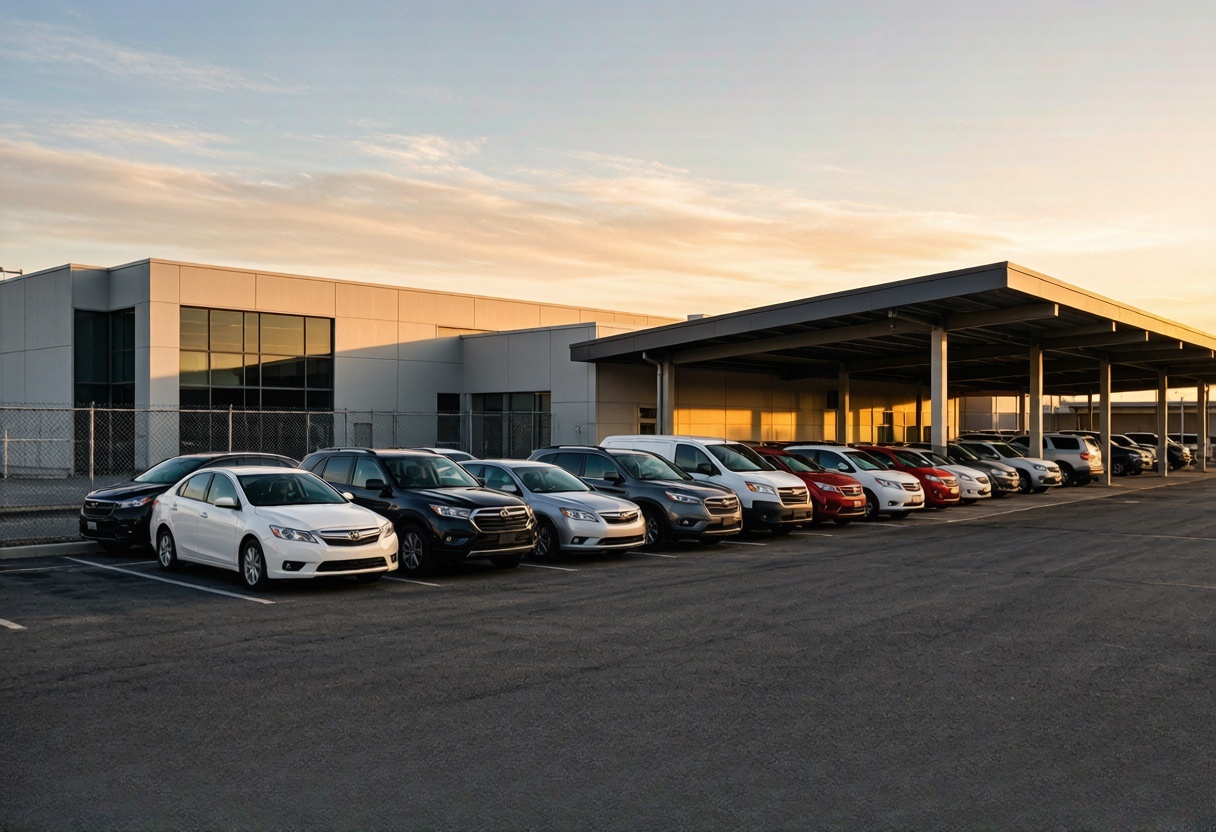
Add an independent location layer to financed vehicles
A vehicle can become difficult to locate after missed payments or when a visible wired tracker is disconnected.
What becomes easierRisk teams gain another source of location context for authorized recovery workflows.
See how it works 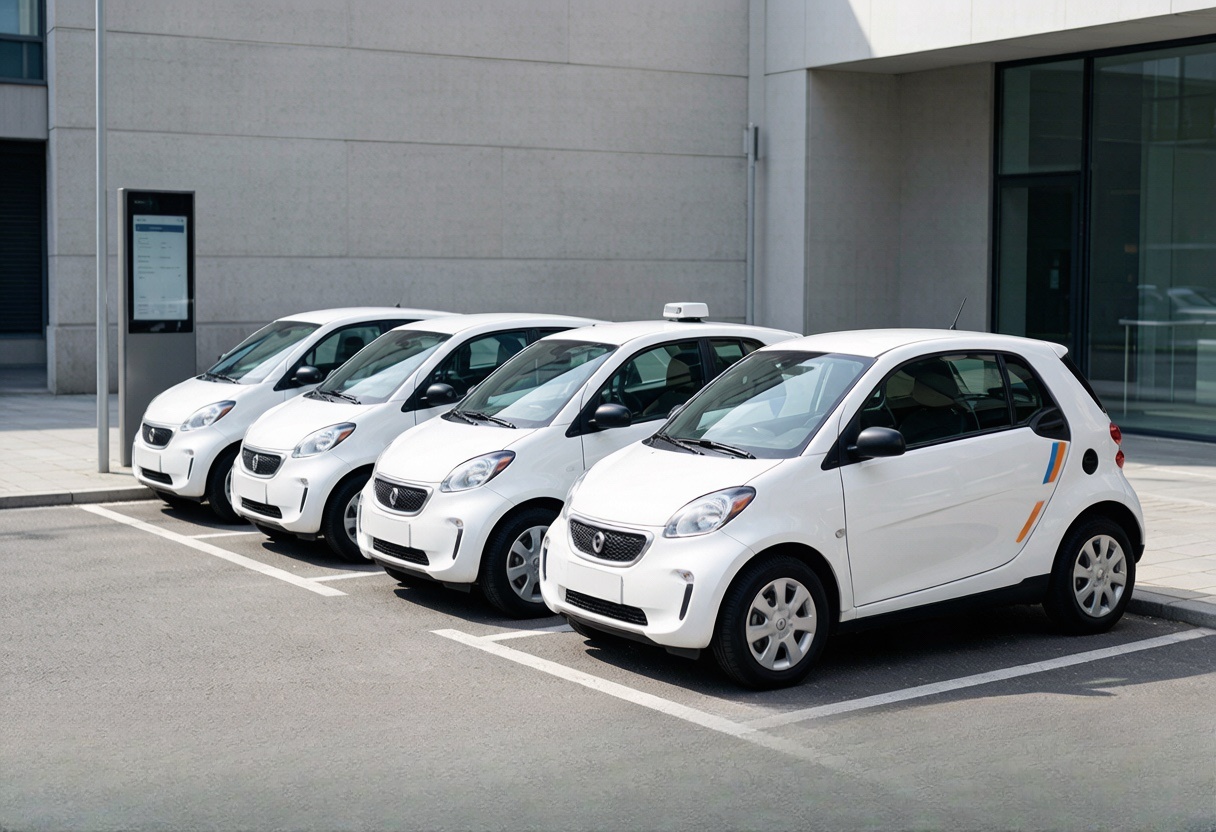
Rental, leasing & risk
Connect shared-car location, zones and access workflows
Unattended vehicles need location, return-zone and access information connected to the operator's platform.
What becomes easierOperators gain a hardware route for automated fleet workflows after security and integration validation.
See how it works 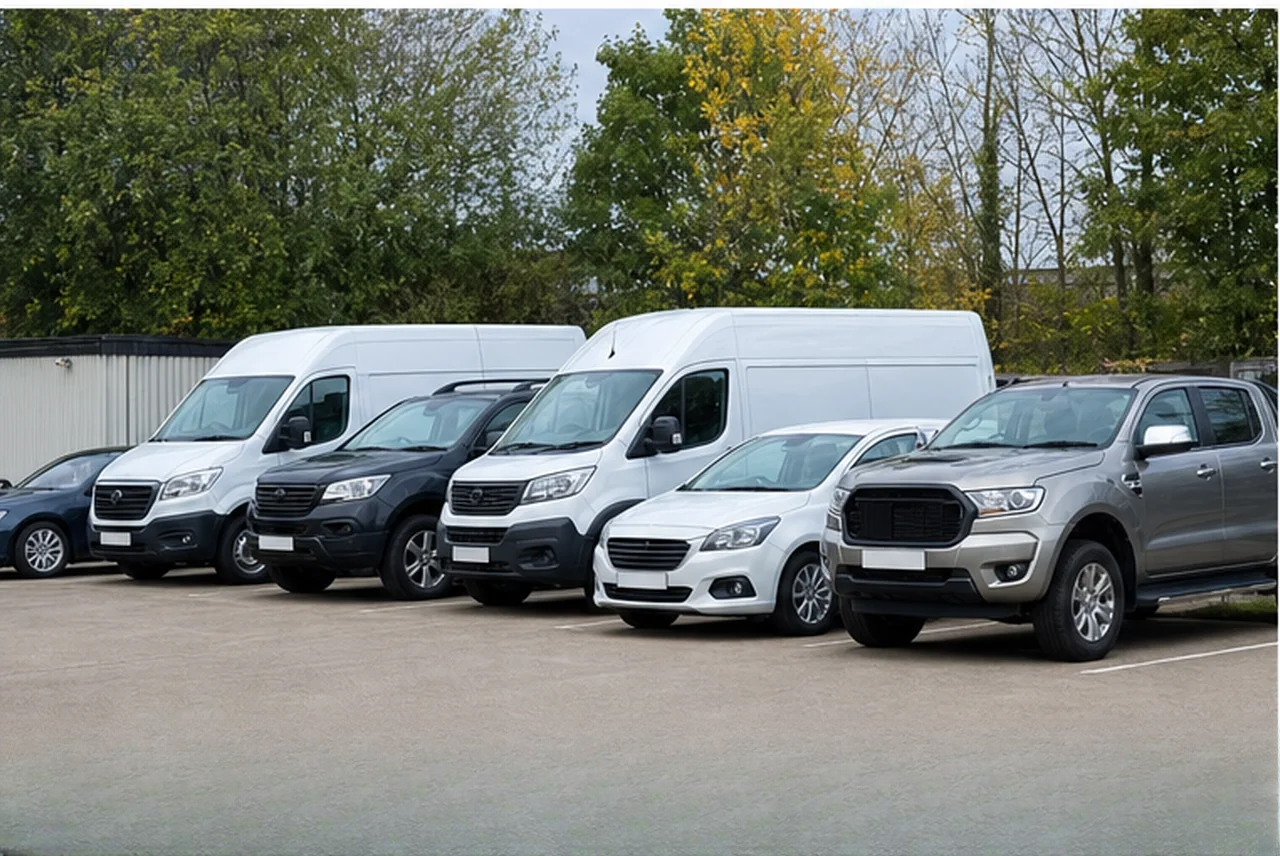
Rental, leasing & risk
Connect fuel changes to rental-vehicle movement
Fuel discrepancies and private use are hard to investigate when receipts, mileage and vehicle data do not align.
What becomes easierRental teams gain better evidence for reviewing abnormal fuel changes and vehicle use.
See how it works Hardware that may fit
Start with documented options for this working environment.
2 documented options to compare
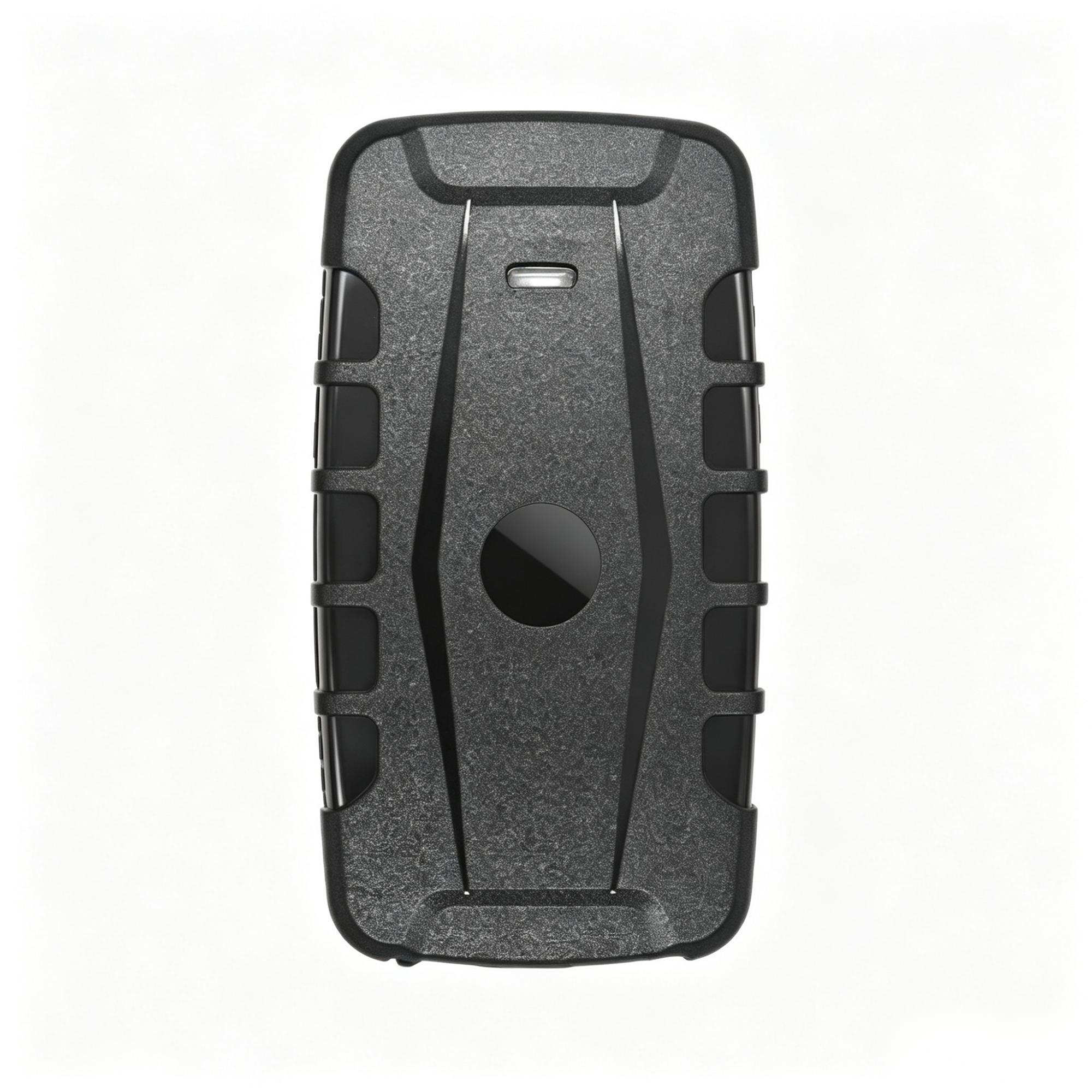
GT76
Find trailers and equipment that have no fixed power connection
A magnetic rechargeable tracker for containers, trailers and temporary equipment that may sit unattended and still need periodic location and movement records.
No fixed powerMagnetic mountingLong dwell time
See where it fits Priority solution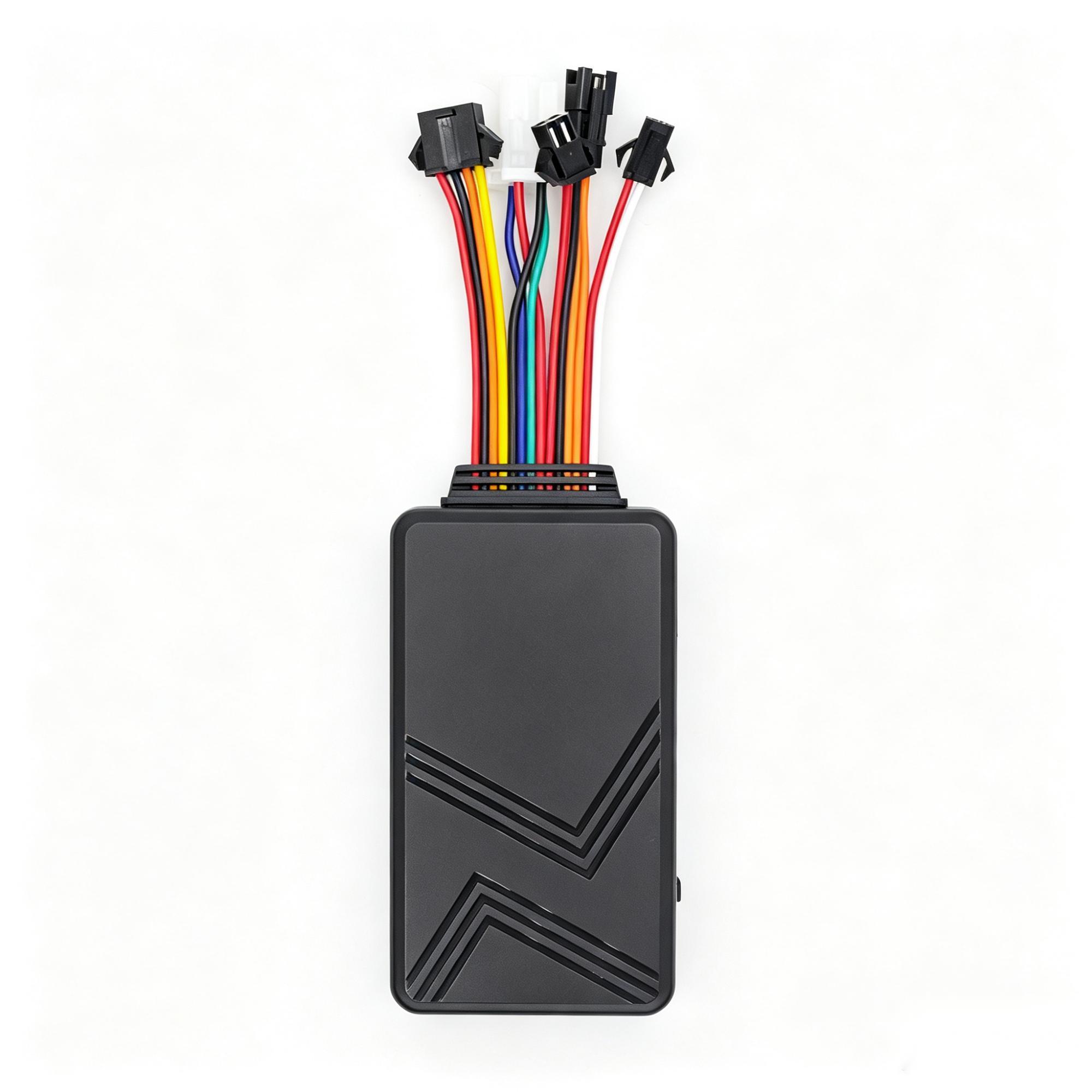
C003F
Start with fleet tracking, then add the information your operation is missing
For logistics, rental and service fleets that need routine tracking with supplier-documented options for driver identity, temperature, fuel, camera and SOS workflows; each option remains project-confirmed.
Expandable fleetsDriver IDTemperature & fuel
See where it fits These are candidate models, not an automatic final selection. Network bands, interfaces, approvals, installation and platform fit are confirmed for the exact project.
What needs special attention
Every industry has a different working reality.
Weather, power, vehicle data, coverage and response responsibilities change what a useful solution looks like.
Test one branch or vehicle group before rolling out
Prove the installation and daily workflow on a small group first.
Use a different installation for each level of risk
Choose permanent wired or independent battery tracking according to how the vehicle is used.
Keep the rental workflow your team already understands
Choose the device only after return, fuel, mileage and recovery processes are clear.
Get useful evidence without making unrealistic promises
Tracking can support investigation and authorised recovery, but it cannot guarantee that every loss is prevented.
Questions customers usually ask
Clear answers before you spend time on a pilot.
Which installation is best for a rental fleet?
Use a discreet wired tracker for reliable daily reporting; add an independent battery device where recovery policy needs a second location source.
Can the device prevent theft?
It can provide movement and location events, but it is one layer within the operator's security process.
Can fuel changes be monitored?
Yes on projects with compatible CAN data or a suitable external sensor and calibrated installation.
Can hardware be moved between vehicles?
Battery devices can be redeployed when the mounting position and reporting policy allow.
Build a clearer Rental & risk operation.
Discuss the requirementMore working environments