E-mobility & material handling
Keep compact electric fleets visible without disrupting daily use
Explore fleet and industrial telematics around the real operating environment. Track compact electric vehicles and warehouse equipment while protecting the vehicle battery and fitting limited space.
Tell us what is difficult todayProblems your team will recognise
What keeps costing time, money or peace of mind?
Start with the calls, delays, missing information and disagreements that happen during a normal working day.
Forklifts are difficult to find during shift changes, while hours and collision-related events may be recorded inconsistently.
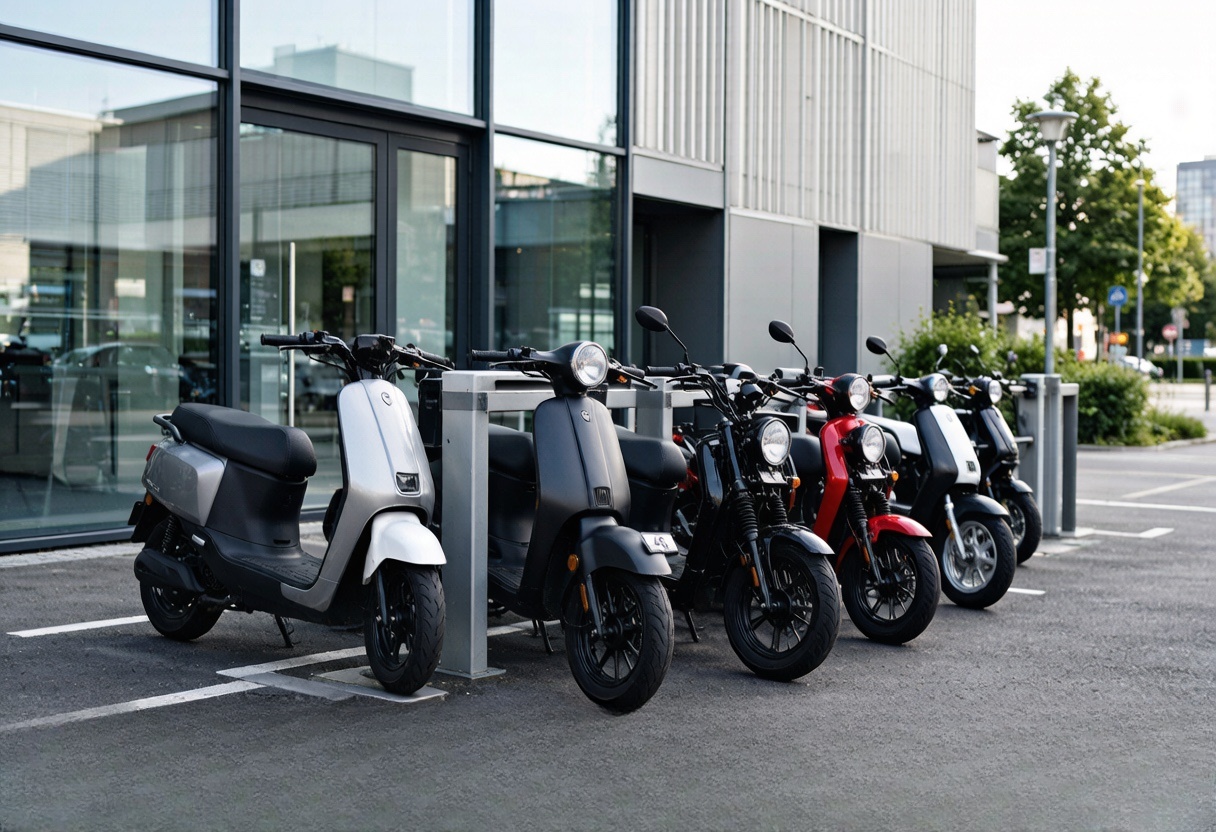
Poor parking, low batteries and dispersed vehicles make daily rebalancing expensive.
Different vehicle voltages and exposed installation points increase SKU and installation complexity.
Vehicle voltage, sleep behaviour and controller access vary sharply between models.
Indoor operation can limit ordinary satellite positioning for warehouse equipment.
What changes
See what your team can manage more easily.
Each answer connects one familiar problem to information your team can understand and act on.
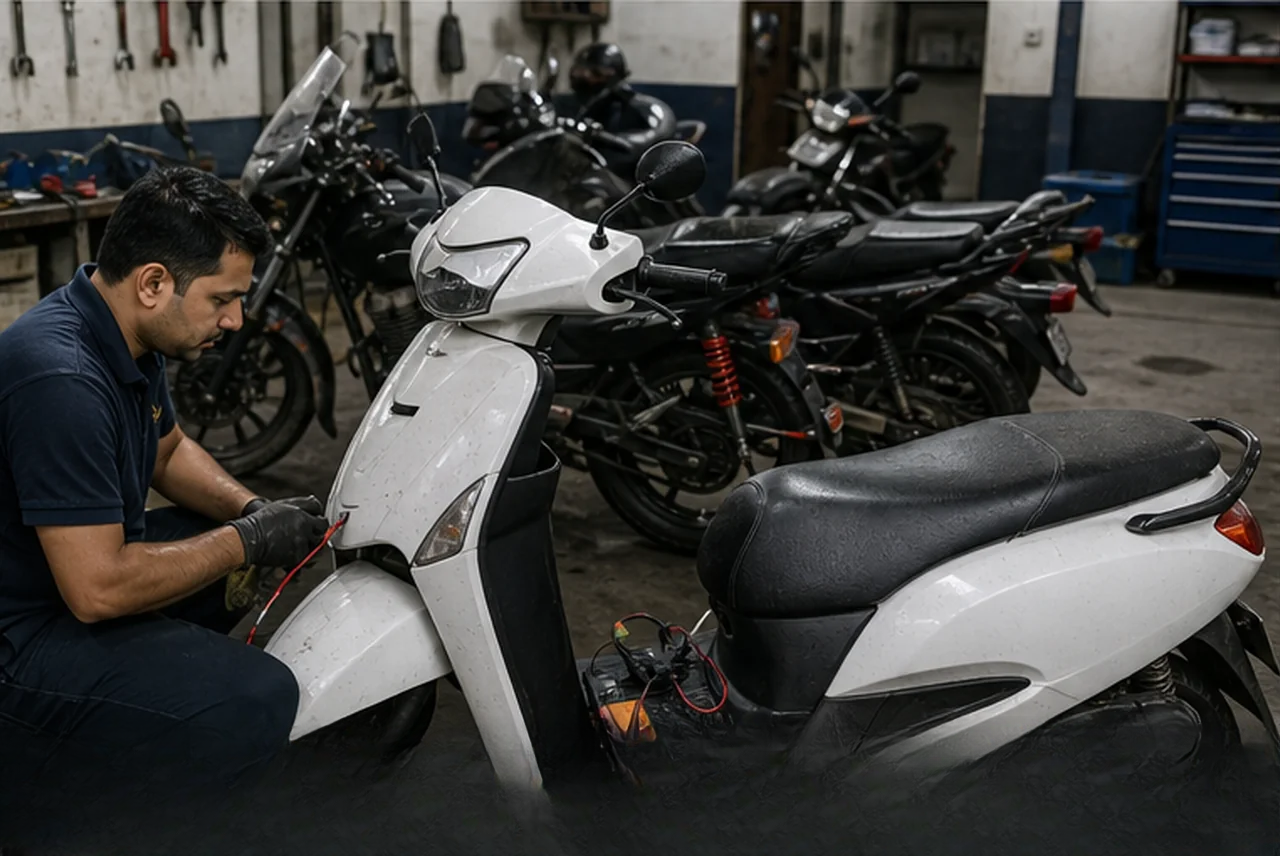
Hide durable tracking hardware inside e-bike fleets
What becomes easierOperators gain better fleet visibility and an earlier reason to investigate missing vehicles.
How it works: Compact or protected wide-voltage hardware can provide position, power and movement events after electrical compatibility is checked.
Connect forklift location and work activity
What becomes easierSupervisors gain a clearer utilization and exception record after indoor-positioning limits are assessed.
How it works: Vehicle position, ignition or activity inputs and compatible controller data can support a selected warehouse workflow.
Connect parking zones and battery operations for shared scooters
What becomes easierOperations teams can find vehicles, plan charging and organise redistribution with less manual searching.
How it works: A specialist scooter device can combine position, battery information, parking zones and approved lock control with the operator platform.
Use one rugged power range across mixed electric vehicles
What becomes easierFleet teams can reduce avoidable hardware variation while still validating each vehicle installation.
How it works: A700's wide input range and protected enclosure can be evaluated across compatible vehicles rather than selecting by voltage alone.
Why it matters
Why electric and warehouse fleets need hardware built around the vehicle
E-bikes, scooters, low-speed vehicles and forklifts differ sharply in voltage, controllers, indoor use and available installation space. A useful deployment starts with electrical compatibility and the operating data required, not a generic vehicle tracker.

How the information reaches your team
From the device to the platform your team already uses.
Here is the simple explanation first. The technical connection is shown underneath for teams that need it.
Cover more vehicle types without changing the basic installation plan
A wide input range can suit compatible motorcycles, e-bikes, utility vehicles and other powered equipment after electrical checks.
Technical support: Wide-voltage power inputHide the tracker where space is limited
Use compact hardware for scooters, motorcycles and small vehicles with little protected mounting space.
Technical support: Compact concealed installationSee the battery or controller information the vehicle makes available
On compatible models, collect supported battery, speed, mileage or controller data after the exact interface is confirmed.
Technical support: Controller or CAN integrationConnect parking, charging and lock events when the service needs them
Shared-mobility projects can add approved lock, battery and parking-zone functions as part of a complete system.
Technical support: Specialist lock and battery interfacesWhat to measure in a trial
Look for changes your team can actually notice.
Measure fewer location calls, quicker answers, clearer records and better-timed action. We do not invent savings percentages before a real pilot.
Find vehicles and equipment faster during daily operations
Bring selected power or low-battery events into the workflow
Review return zones and misplaced shared vehicles
Reduce avoidable hardware variation across compatible voltages
Build a clearer record of equipment activity and availability
Working with your current operation
Keep the tools and processes that already work.
We match the device to your platform, vehicles, sensors and daily workflow instead of asking your team to start again.
Keep the platform your team already uses
We check whether the device can send the location, status and alarm information your existing system needs before recommending it.
Change settings without recalling every vehicle
Where supported, reporting intervals and selected settings can be adjusted remotely after installation.
Manage vehicles, machines and unpowered assets together
Different device types can be chosen for each asset while their useful information is brought into the platform your team already uses.
Add the information your operation is missing
Supported door, temperature, fuel, driver and machine-data inputs are matched to the events your team actually wants to see.
common operating situations
Find the situation that feels most like yours.
Each example begins with a problem your team may already be dealing with and shows what information could make it easier.
E-mobility & material handling
Hide durable tracking hardware inside e-bike fleets
Compact vehicles offer little protected installation space and are exposed to rain, vibration and unauthorised movement.
What becomes easierOperators gain better fleet visibility and an earlier reason to investigate missing vehicles.
See how it works 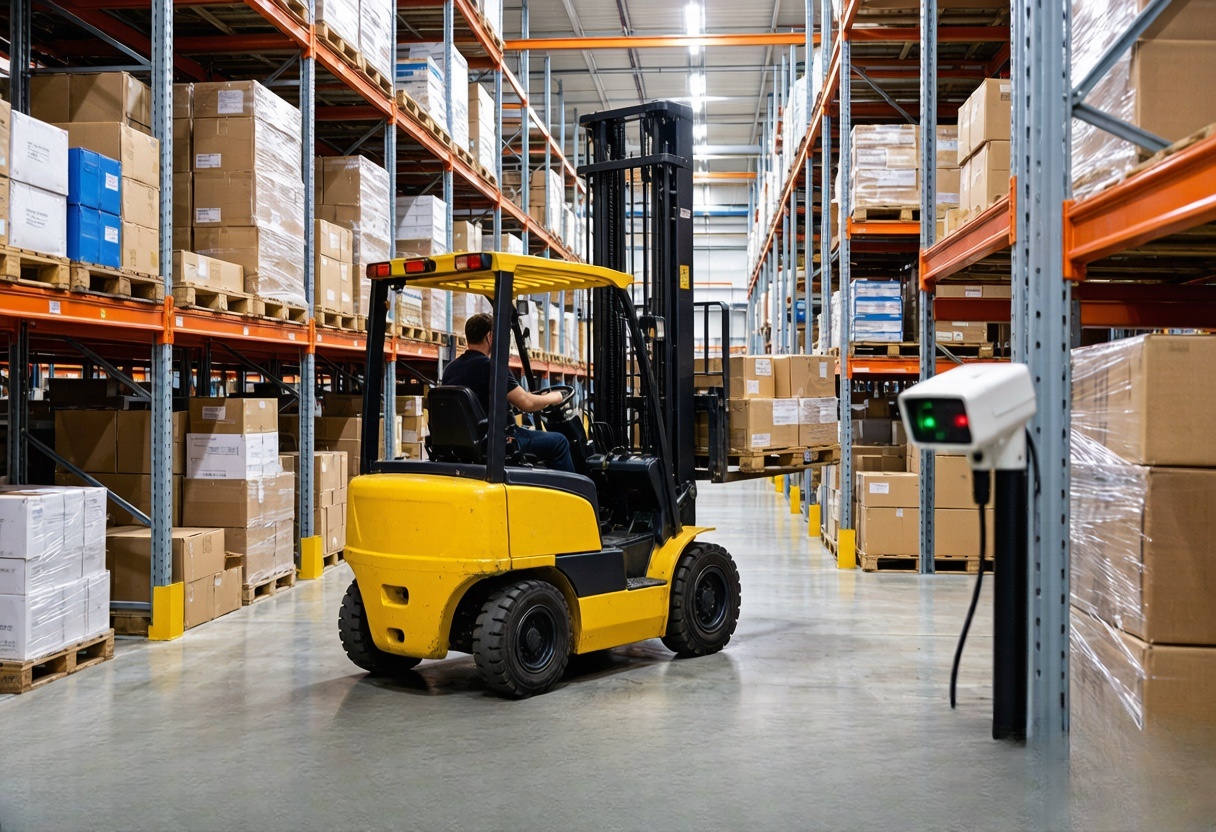
E-mobility & material handling
Connect forklift location and work activity
Forklifts are difficult to find during shift changes, while hours and collision-related events may be recorded inconsistently.
What becomes easierSupervisors gain a clearer utilization and exception record after indoor-positioning limits are assessed.
See how it works E-mobility & material handling
Connect parking zones and battery operations for shared scooters
Poor parking, low batteries and dispersed vehicles make daily rebalancing expensive.
What becomes easierOperations teams can find vehicles, plan charging and organise redistribution with less manual searching.
See how it works Hardware that may fit
Start with documented options for this working environment.
3 documented options to compare
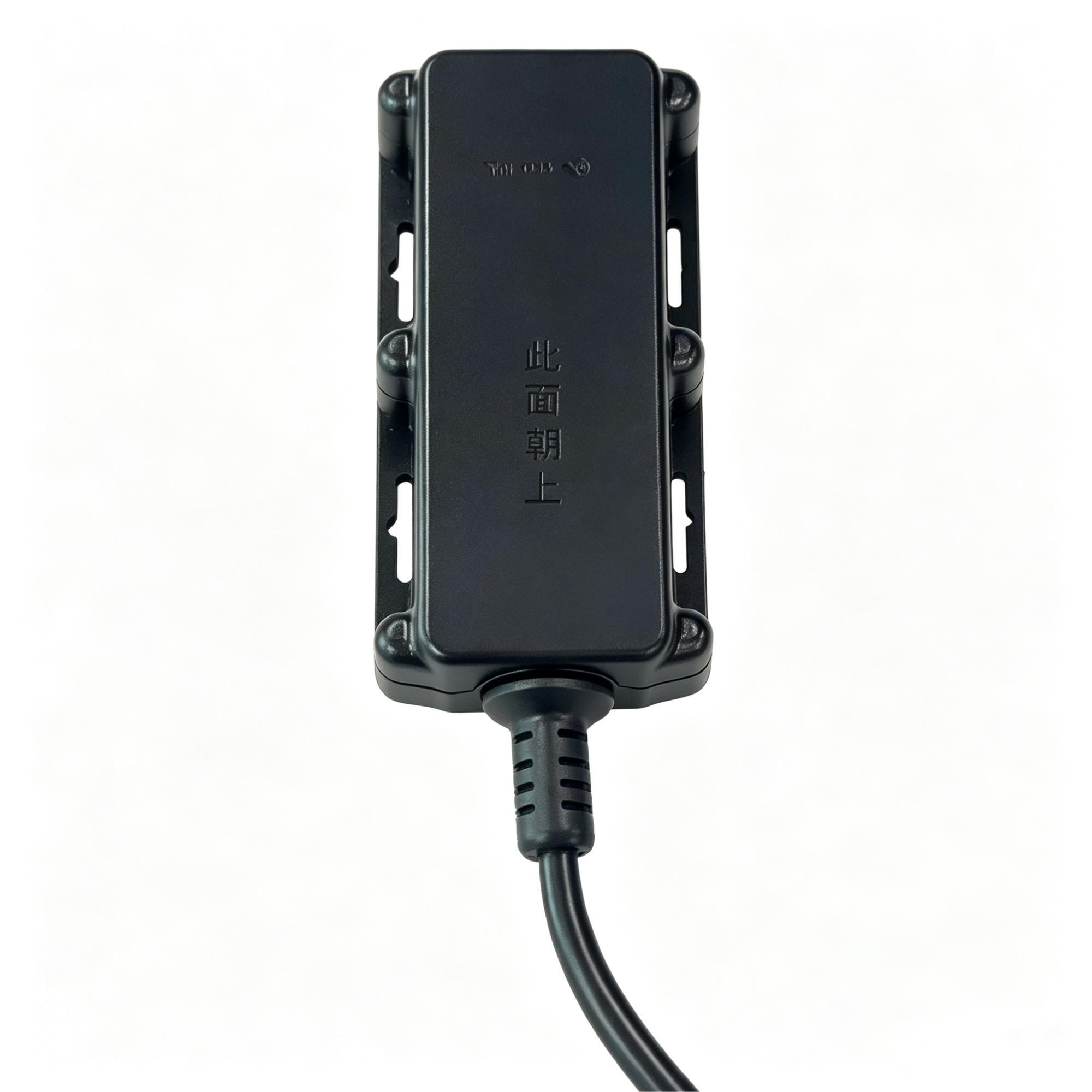
A700
Keep powered outdoor equipment visible without paying for machine-data functions
A protected, wide-voltage tracker for exposed vehicles and equipment that need location, movement and power events, but do not need CAN engine data.
Outdoor equipmentIP67Powered assets
See where it fits 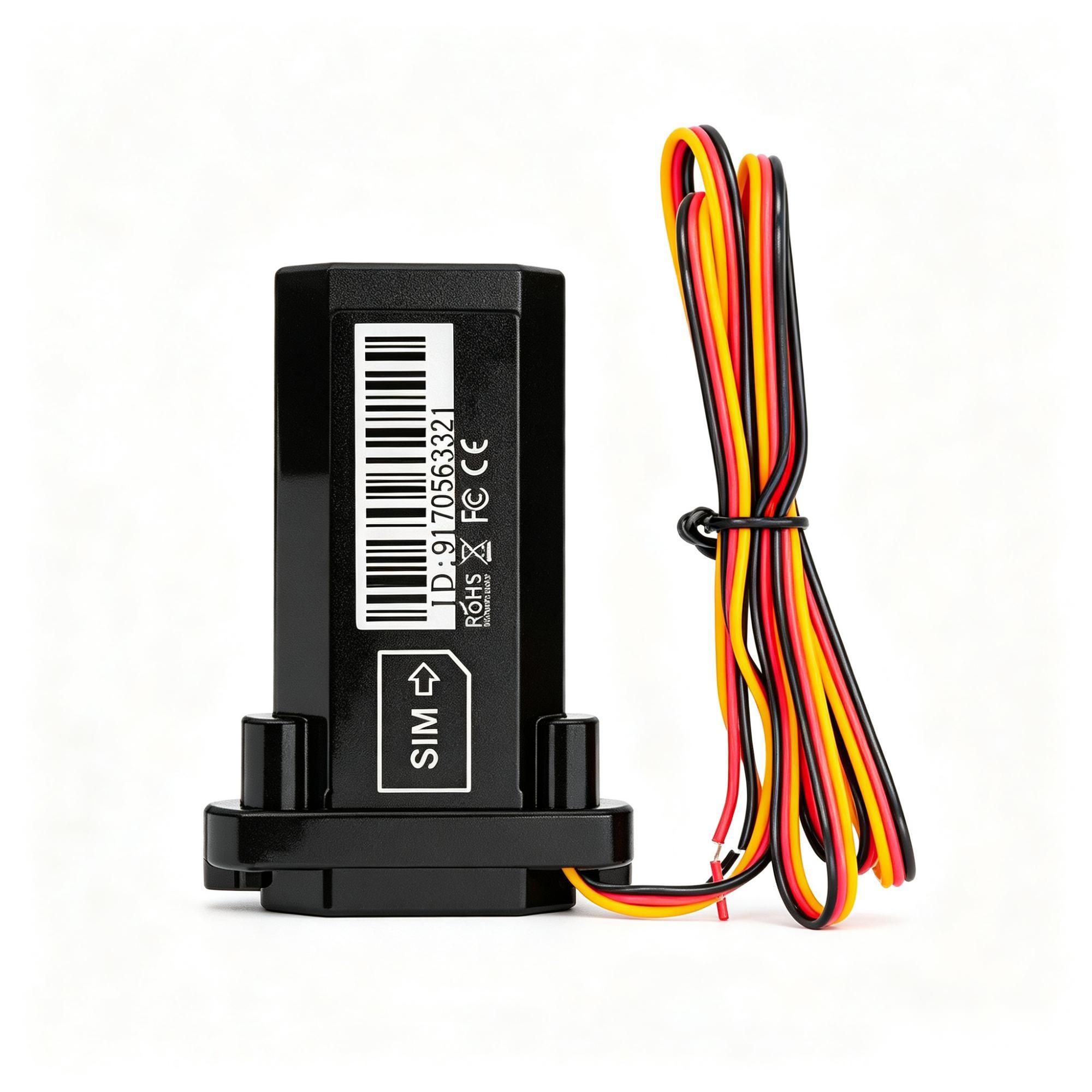
GT02
Track motorcycles and exposed light vehicles through rain, dust and road spray
A compact IP67 wired tracker for two-wheelers and light vehicles where weather protection matters more than external sensor expansion.
MotorcyclesWet & dusty work9-95 V
See where it fits 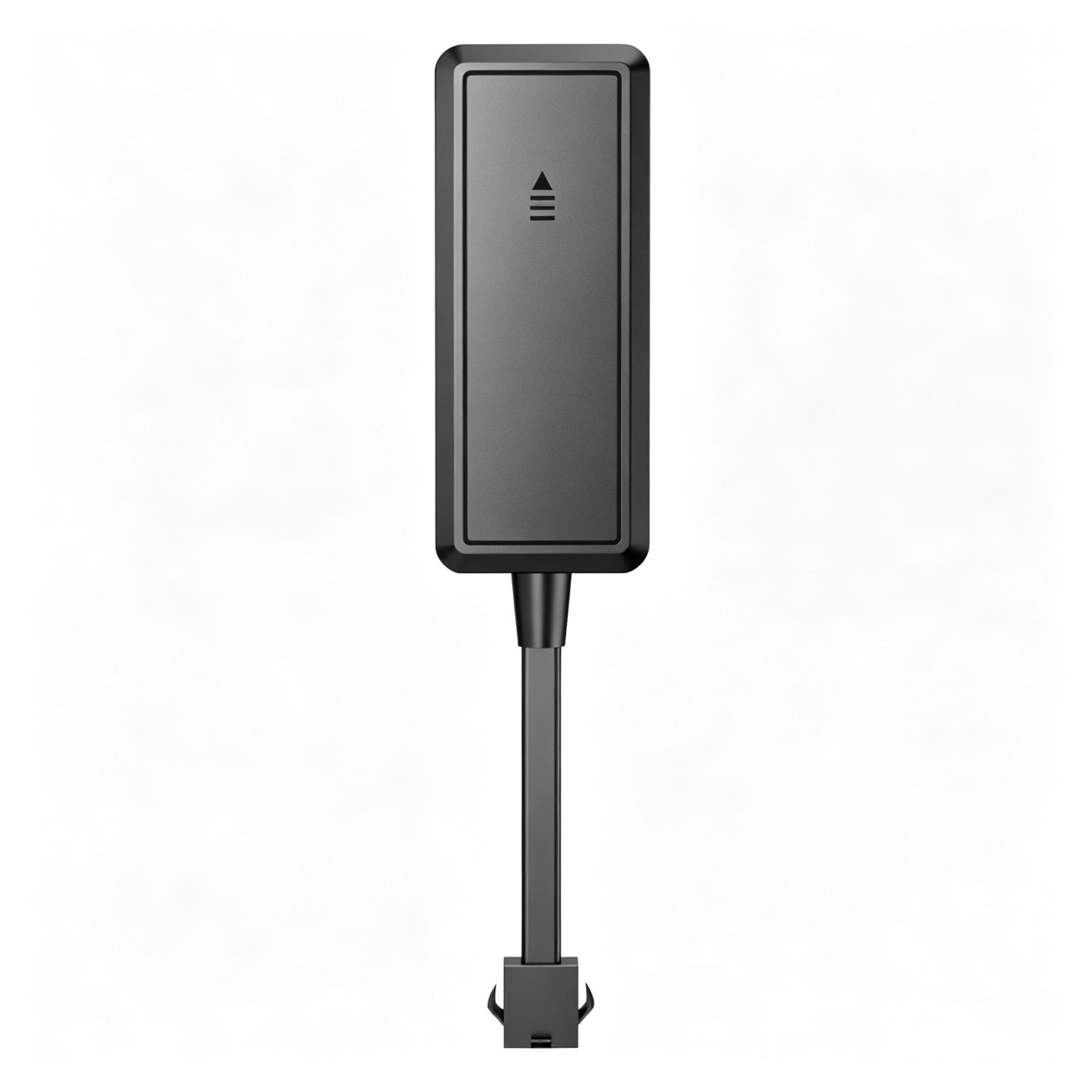
A18
Add essential tracking where mounting space and budget are tight
A small 4G wired tracker for scooters, motorcycles and light vehicles that need location, ignition status and basic security events.
Compact mountingTwo-wheelersEssential tracking
See where it fits These are candidate models, not an automatic final selection. Network bands, interfaces, approvals, installation and platform fit are confirmed for the exact project.
What needs special attention
Every industry has a different working reality.
Weather, power, vehicle data, coverage and response responsibilities change what a useful solution looks like.
Keep the device working through rain, dust and road vibration
Match the enclosure and mounting to where the vehicle actually operates.
Avoid draining the vehicle battery while it is parked
Check power, sleep behaviour and wiring on the real model before rollout.
Use the right method when the equipment works indoors
Ordinary satellite positioning may not work reliably inside a warehouse, so indoor projects may need another method.
Show battery, parking and lock events in the mobility system
Agree the useful events with the platform before choosing integrated hardware.
Questions customers usually ask
Clear answers before you spend time on a pilot.
Will wide voltage guarantee compatibility?
No. Voltage is only one condition; wiring, sleep current, controller behaviour and installation still need validation.
Can GPS locate forklifts accurately indoors?
GNSS may be limited indoors. A project may need BLE, anchors or another indoor-positioning method.
Can the tracker control a shared scooter lock?
Only specialist integrated hardware with an approved security design should be used for lock control.
Will tracking drain an e-bike battery?
Power consumption and sleep behaviour must be tested against the vehicle and operating cycle.
Build a clearer E-mobility operation.
Discuss the requirementMore working environments