Construction sites
Tips for Choosing GPS Tracking Systems for Construction Sites
A construction fleet is never one fleet. It is owned plant, hired plant, subcontractor machines and a pile of attachments, spread across sites that open and close every few months. The system has to survive that, not just track a machine.
Discuss your requirementsStart with the decision
Key decisions for a construction rollout
Start from what you may modify
Owned plant, long-term hire, short-term hire and subcontractor machines allow different installations.
Key point: The ownership mix decides the hardware classes.
Make geofences cheap to change
Construction sites open and close continuously.
Key point: A boundary that needs a support ticket will go stale.
Set access before rollout
Site, plant and finance teams need different views.
Key point: Narrow permissions preserve trust and usefulness.
Pilot deliberately mixed machines
Test an owned unit, a hired unit, an attachment and a machine with electrical history.
Key point: Scale only after the pilot explains differences.
Plan for incomplete live coverage
Basements, tunnels and steel frames can block coverage.
Key point: Store-and-forward can help with captured records; test GNSS and upload separately.
This page is about choosing and deploying a system across sites. For what the hardware does on an individual machine, see how plant machinery trackers work; for whether it is worth doing, see why you need a tracker on heavy equipment.
The first thing to write down is not how many excavators you have. It is how many of them you are allowed to modify. That single question decides most of the hardware specification.
Start from the ownership mix, not the machine list
| Category | What you can fit | What you get |
|---|---|---|
| Owned plant | Wired unit on a switched supply. | Engine hours, ignition state, frequent reporting. |
| Long-term hire | Wired only with written agreement; otherwise battery. | Depends on the agreement — assume battery. |
| Short-term hire | Magnetic or bolt-on battery unit. | Position and movement. |
| Subcontractor machines | Nothing unless written into the contract. | A gap to accept and plan around. |
| Attachments and small plant | Small battery units. | Theft alerts and location, no hours. |
Consolidated reporting is useful where the project supports it, but ownership, access and asset conditions may require more than one platform or an exchange route. Define who receives each record before choosing the hardware path.
Sites move, so geofences have to be cheap to change
A site opens, runs for eight months, and closes. If drawing a new boundary is a support ticket rather than something a site manager can do in two minutes, the geofences will be out of date and alerts will be ignored. Evaluate it yourself in a demo: draw a boundary, set a rule and delete it.

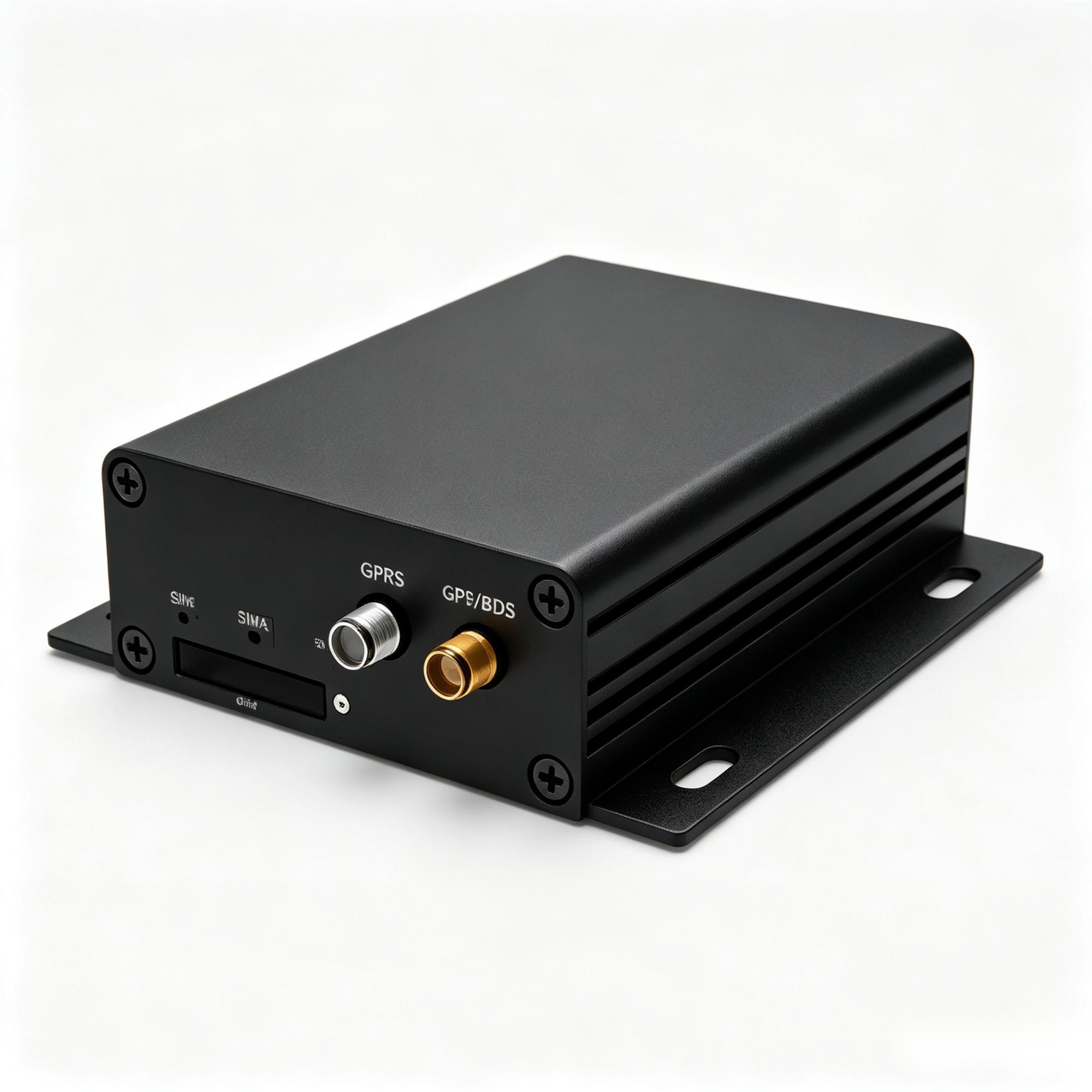
A300
A wired gateway for owned plant where engine hours and ignition state matter.
Explore A300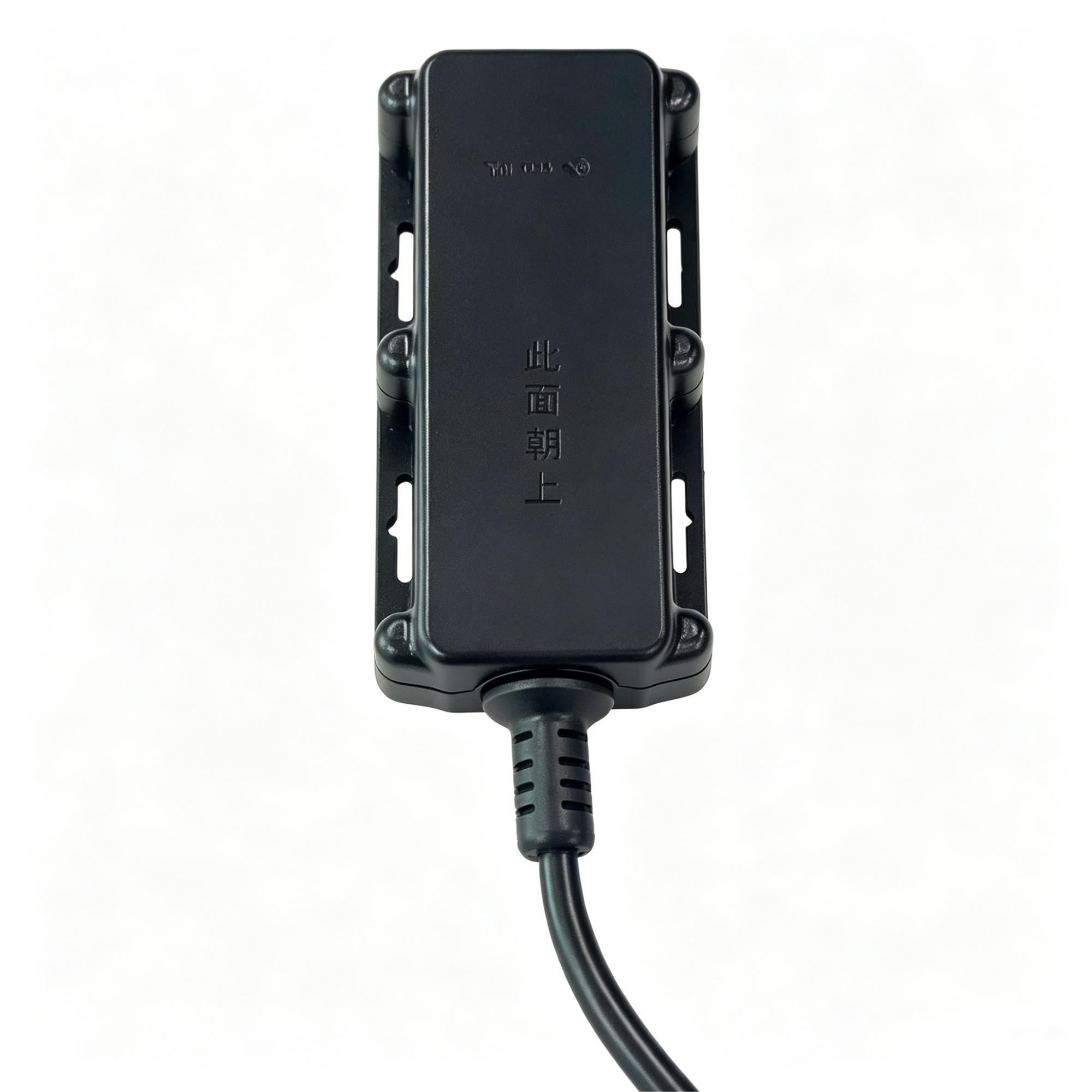
A700
An outdoor unit for exposed plant where a wider supply and environmental protection matter.
Explore A700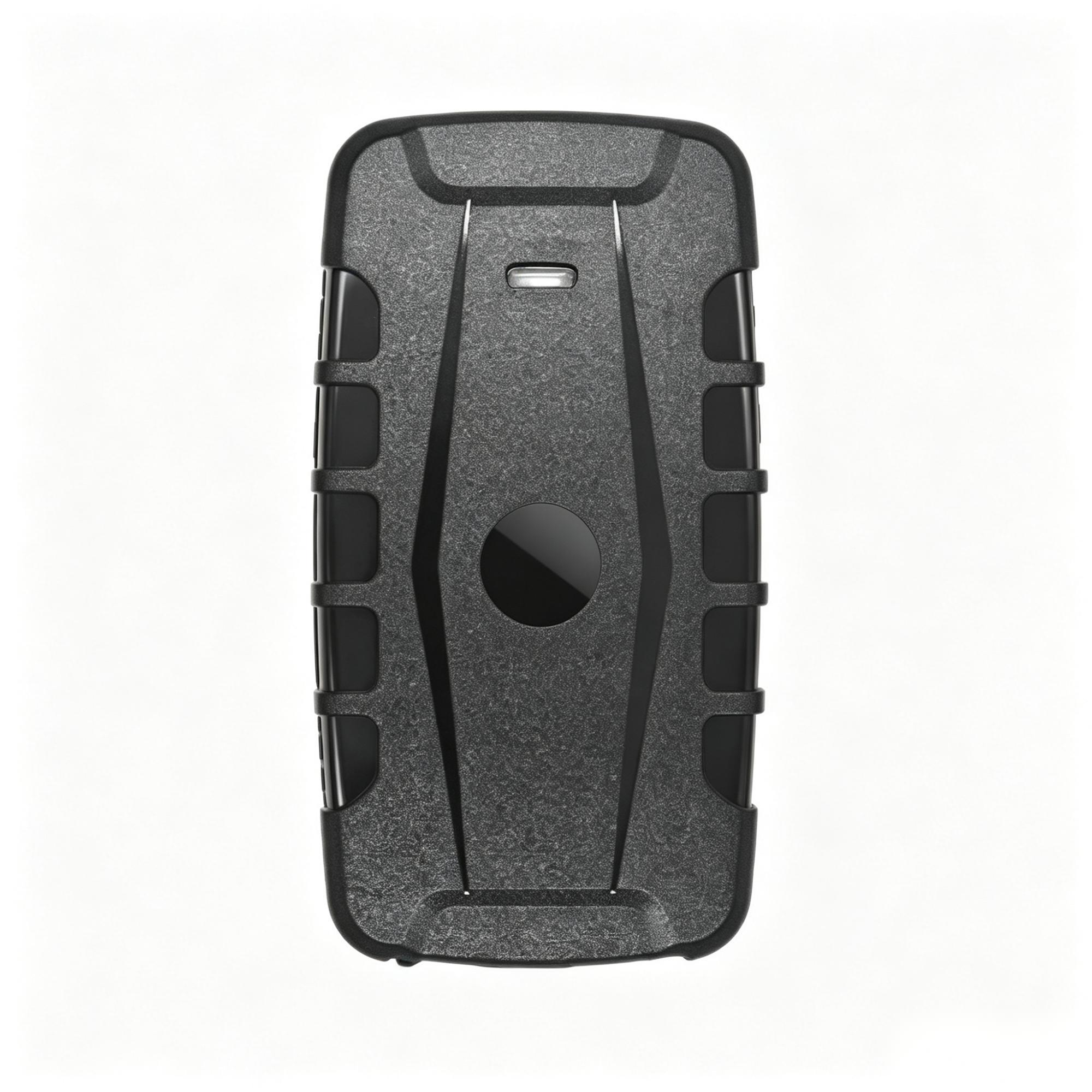
GT76
A small battery unit for attachments and small plant when there is no permanent supply.
Explore GT76Decide who sees what before rollout
- Site managers: their site only — what is here, what left and what has not moved.
- Plant managers: the whole fleet — utilisation, hours and what to off-hire.
- Finance: hours by cost centre and a defensible number for recharges.
- Nobody: a live map of a named operator's day as a general permission.
Set roles before the first unit is fitted. Retrofitting permissions after people have seen everything is much harder than starting narrow.
The rollout sequence that avoids expensive mistakes
- Pilot a representative mix: select the number of units around the asset classes and operating conditions in scope, including static, frequently moved, hired and detached equipment where relevant.
- Check hours against reality: compare the tracker's record with an appropriate machine-hour reference for each interface and operating pattern in scope.
- Check the actual exposure: verify documented environmental limits, mounting and cable protection against the site conditions; use an approved test plan before exposing equipment to wash-down or weather.
- Check whether anyone opened the platform: fix adoption before adding units.
- Order in batches by site: contain a fitment or firmware problem to one site.
Sites are hard environments: cuttings, basements, tunnels and steel frames can interrupt GNSS fixes, cellular upload, or both. Test GNSS reacquisition and upload of records successfully captured during a cellular-only gap separately on the actual site.
Questions worth putting to a supplier
| Ask | Why it matters |
|---|---|
| What voltage range and surge protection? | 24V plant with a hard-working alternator can damage units specified for cars. |
| What IP rating at the mounting position? | The cable gland may be the weak point. |
| Does it store and forward? | Determines whether records successfully captured during a cellular-only outage are delayed or lost; it cannot recover a position that GNSS never fixed. |
| What battery life under which profile? | A figure without a stated profile is not a complete specification. |
| Can data reach the existing platform? | Confirm per model, in writing, before ordering. |
Frequently asked questions
Choosing the hardware
Can we track machines we hire in?
With a non-invasive battery unit and the hire company's agreement, yes. Do not wire into a machine you do not own.
How do we handle subcontractor plant?
Write tracking into the subcontract, or accept the gap and design reporting so it does not look like the machines are absent.
How many geofences will we need?
One per active site, plus depots and recurring compounds. Ease of creating and retiring them matters more than the number.
Will the tracker work in a basement or a tunnel?
The site may interrupt GNSS fixes, cellular upload, or both. Store-and-forward may upload positions successfully acquired during a cellular-only gap; it cannot reconstruct positions the device never fixed.
Do we need one system for plant and one for vehicles?
Different hardware may share a platform where supported. Where separate systems are required, document the destination, access owner and exchange route for each asset class.
How accurate are the engine hours?
A wired unit sensing a switched supply can be verified against the machine meter during the pilot. A battery unit inferring hours from vibration is not the same reading.
Ordering and support
What about attachments and small tools?
Small battery units are proportionate for buckets, breakers, generators and lighting towers. Expect location and movement alerts.
What is the minimum order quantity?
Custom orders start from 100 units. Samples and small validation batches are handled separately.
What warranty applies?
A 12-month limited warranty from the shipment date shown on the commercial invoice.
How long does a rollout take?
Set the pilot duration around machine availability, the operating conditions to cover and the agreed acceptance checks. Plan the wider rollout after those checks are complete.